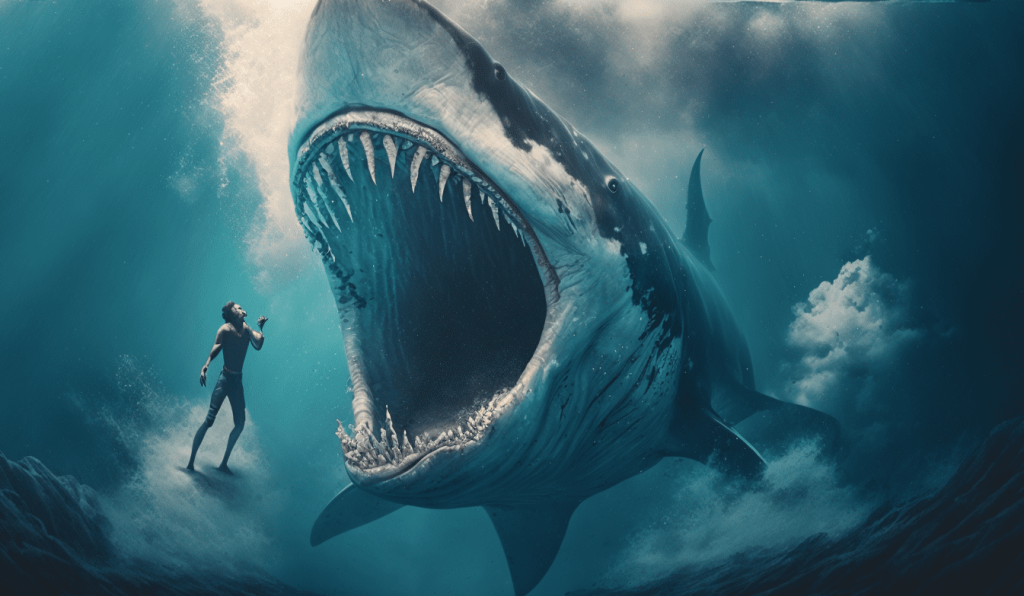
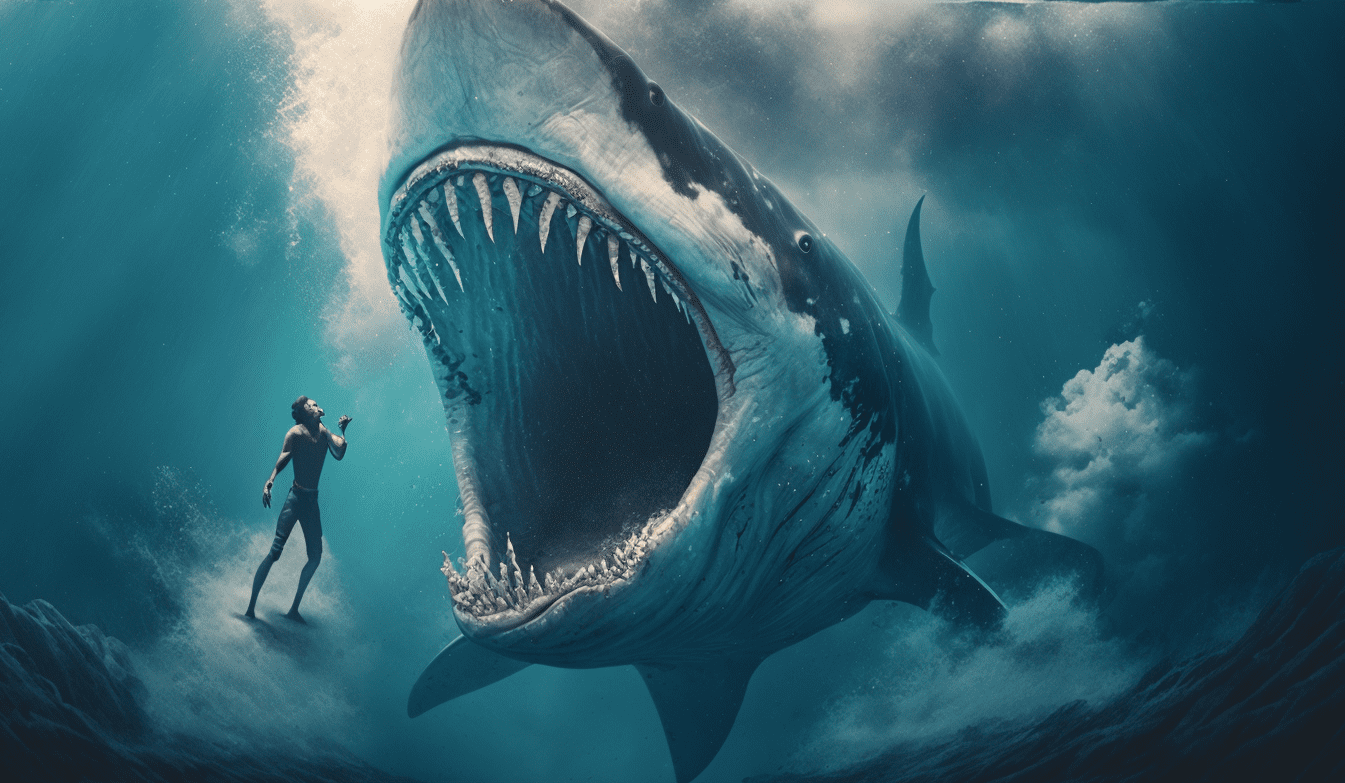
The ocean is a vast and mysterious place that still holds many secrets, including the existence of some of the biggest see creatures known to man – sea monsters. From giant squids to prehistoric beasts, these creatures have captured our imagination for centuries, and we’re here to explore the top 10 biggest sea monsters ever recorded.
#1. The Blue Whale:
The Blue Whale is the largest animal on Earth, and it’s no surprise that it’s also the biggest sea monster ever recorded. These gentle giants may grow to be 100 feet long and weigh up to 200 tons. Despite their massive size, blue whales feed on tiny krill and can often be found in the open ocean.
#2. The Megalodon:
The Megalodon was a prehistoric shark that lived around 23 to 3.6 million years ago. It was one of the largest predators to ever exist, growing up to 60 feet in length and weighing around 50 tons. Although the Megalodon is extinct, it remains a popular subject of fascination and terror in popular culture.
#3. The Giant Squid:
The Giant Squid is one of the most mysterious creatures in the ocean, and it’s also one of the largest. These creatures can grow up to 43 feet in length and weigh as much as 600 pounds. Despite their massive size, very little is known about their behavior and lifestyle due to their deep-sea habitat.
#4. The Colossal Squid:
The Colossal Squid is an even bigger and more elusive relative of the Giant Squid. It can grow up to 46 feet in length and weigh as much as 1,500 pounds. These creatures are known for their massive, sharp hooks and aggressive hunting tactics.
#5. The Kronosaurus:
The Kronosaurus was a prehistoric marine reptile that lived around 112 to 93 million years ago. It could grow up to 30 feet in length and weigh as much as 12 tons. These creatures were fierce predators that hunted other marine reptiles and even dinosaurs that ventured too close to the water.
#6. The Liopleurodon:
The Liopleurodon was another prehistoric marine reptile that lived around 160 to 155 million years ago. It could grow up to 50 feet in length and weigh as much as 100 tons. These creatures were apex predators that hunted other marine reptiles and even dinosaurs.
#7. The Sperm Whale:
The Sperm Whale is the largest toothed predator in the ocean, and it’s known for its distinctive square head and powerful echolocation abilities. These creatures can grow up to 67 feet in length and weigh as much as 57 tons. They feed on a variety of prey, including squid and fish.
#8. The Oarfish:
The Oarfish is a long and slender fish that can grow up to 36 feet in length. Despite its size, the Oarfish is relatively harmless to humans and feeds mainly on plankton and small fish. These creatures are often found in the open ocean and are rarely seen by humans.
#9. The Humpback Whale:
The Humpback Whale is a popular whale species known for its acrobatic displays and haunting songs. These creatures can grow up to 52 feet in length and weigh as much as 40 tons. They feed on krill and small fish and can often be found in coastal waters.
#10. The Dunkleosteus:
The Dunkleosteus was a prehistoric armored fish that lived around 358 to 382 million years ago. It could grow up to 33 feet in length and weigh as much as 4 tons. These creatures had massive jaws and sharp teeth that they used to crush their prey, including other armored fish and even sharks.
Why are sea monsters so fascinating?
Sea monsters have captured the imagination of people for centuries, and it’s no surprise why. These creatures are often mysterious, elusive, and sometimes terrifying. They represent the vast unknown depths of the ocean and the untamed wilderness of nature. The idea of encountering a massive sea monster lurking beneath the waves is both thrilling and frightening, and it’s easy to see why these creatures have become the subject of myths, legends, and popular culture.
In conclusion, the world of sea monsters is vast and fascinating, and the creatures on this list are just a small glimpse into the wonders that the ocean holds. From giant whales to prehistoric sharks and reptiles, these creatures continue to capture our imagination and inspire awe and wonder. Whether you’re a fan of marine biology, history, or simply love a good adventure story, the world of sea monsters is sure to captivate and intrigue you for years to come.
Sources & References
For further reading, here are the trusted sources we relied on while preparing this article:
Related Reading
Continue exploring with these hand-picked articles from Viral Stories:
- Top Amazing Facts You Must See 2026: 7 Mind-Blowing Truths That Just Happened
- 10 World Cup Records 2026 You Need to See
- 10 Viral Social Media Trends 2026 You Can’t Miss
- Trending Celebrity News 2026: 7 Shocking Stories Everyone Is Talking About
“`html
Historical Accounts of Sea Monsters: Myth or Reality?
The concept of sea monsters has fascinated humans for centuries, with tales of gigantic creatures lurking beneath the waves appearing in cultures worldwide. The “Biggest Sea Monsters Ever Recorded” often stem from these historical accounts, blending myth and reality. Ancient mariners and fishermen shared stories of massive beasts that could sink ships and devour entire crews. One of the most famous is the Kraken, a legendary sea monster of Scandinavian folklore, often depicted as a giant squid or octopus capable of dragging entire ships underwater.
Historical texts, such as the writings of Pliny the Elder and Olaus Magnus, provide detailed descriptions of these monstrous creatures. Pliny described a “polyp” with arms 30 feet long, while Magnus recounted tales of sea serpents over 200 feet in length. These accounts, while often exaggerated, may have been based on real encounters with large marine animals such as giant squid, sperm whales, or oarfish. The oarfish, for instance, can grow up to 36 feet and has a serpent-like appearance, which might explain some sea serpent sightings.
Modern science has helped demystify many of these legends. The discovery of giant squid carcasses and the first live footage of a giant squid in its natural habitat have provided concrete evidence of these creatures’ existence. However, the “Biggest Sea Monsters Ever Recorded” continue to capture the public’s imagination, blending the allure of the unknown with the intrigue of scientific discovery.
Modern-Day Sea Monsters: The Giants of the Deep
While the “Biggest Sea Monsters Ever Recorded” may not be the fire-breathing leviathans of mythology, the oceans are home to some truly awe-inspiring giants. The blue whale, for example, is the largest animal to have ever existed, reaching lengths of up to 100 feet and weighing as much as 200 tons. These magnificent creatures feed primarily on tiny krill, consuming up to 4 tons per day during feeding season.
Another modern-day sea monster is the colossal squid (Mesonychoteuthis hamiltoni), which can grow up to 46 feet in length, including its tentacles. Unlike the giant squid, the colossal squid has sharp hooks on its tentacles, making it a formidable predator. It inhabits the deep waters of the Southern Ocean and is rarely seen by humans, adding to its mystique.
The giant oarfish (Regalecus glesne) is another contender for the title of “Biggest Sea Monsters Ever Recorded.” This elusive creature can reach lengths of up to 36 feet and is often mistaken for a sea serpent due to its long, ribbon-like body. Despite its size, the oarfish is harmless to humans, feeding primarily on small fish and crustaceans.
These modern-day giants remind us of the incredible diversity and scale of life in the ocean. They also highlight the importance of marine conservation efforts, as these species face threats from habitat destruction, pollution, and climate change.
Expert Insights: What Scientists Say About Sea Monsters
Scientists and marine biologists offer valuable insights into the “Biggest Sea Monsters Ever Recorded,” providing a bridge between myth and reality. Dr. Edith Widder, a leading expert on bioluminescence and deep-sea exploration, has conducted extensive research on giant squid and other deep-sea creatures. Her work has helped dispel many myths about these elusive animals, revealing them to be highly adapted predators rather than the fearsome beasts of legend.
Dr. Widder emphasizes the importance of understanding these creatures in their natural habitat. “The deep sea is the largest habitat on Earth, yet it remains one of the least explored,” she says. “By studying these animals, we gain a better understanding of the ocean’s complex ecosystems and the role these giants play in maintaining ecological balance.”
Another expert, Dr. Steve O’Shea, a renowned squid biologist, has dedicated his career to studying the giant squid. His research has provided critical insights into the behavior, biology, and conservation of these enigmatic creatures. Dr. O’Shea notes that while the “Biggest Sea Monsters Ever Recorded” may not be the monsters of folklore, they are still incredibly important. “These animals are indicators of ocean health,” he explains. “Their presence and abundance can tell us a lot about the state of our marine environments.”
Experts agree that continued research and exploration are essential for uncovering the secrets of the ocean’s largest inhabitants. By studying these creatures, we can gain a deeper appreciation for the complexity and wonder of the marine world.
Practical Tips for Encountering Sea Monsters
While the likelihood of encountering a “Biggest Sea Monsters Ever Recorded” is slim, there are ways to increase your chances of seeing these magnificent creatures in the wild. Here are some practical tips:
- Join a research expedition: Many marine research organizations offer opportunities for volunteers to join expeditions. These trips often focus on studying large marine animals, providing a unique chance to see them up close.
- Visit aquariums and marine parks: Institutions like the Monterey Bay Aquarium and the Oceanographic Museum of Monaco often have exhibits featuring large marine animals, including giant squid and oarfish.
- Go on a whale-watching tour: Whale-watching tours can be a great way to see some of the ocean’s largest inhabitants. While whales aren’t sea monsters in the traditional sense, they are awe-inspiring creatures that offer a glimpse into the ocean’s grandeur.
- Explore deep-sea documentaries: For those who prefer to stay on dry land, documentaries like “Blue Planet II” and “The Hunt” offer stunning visuals and insights into the lives of large marine animals.
- Support marine conservation: By supporting conservation efforts, you can help protect the habitats of these magnificent creatures and ensure that future generations can continue to marvel at the “Biggest Sea Monsters Ever Recorded.”
Encountering a sea monster may not be a common occurrence, but with the right approach, you can experience the wonder of the ocean’s largest inhabitants.
“`
Visual Guide
Frequently Asked Questions
What is this topic and why does it matter?
Getting started with this topic is simpler than most people think. The key is following proven strategies consistently. This guide walks you through each step with practical examples and expert recommendations for lasting success.
How does this topic work in practice?
Getting started with this topic is simpler than most people think. The key is following proven strategies consistently. This guide walks you through each step with practical examples and expert recommendations for lasting success.
What are the main benefits of this topic?
Getting started with this topic is simpler than most people think. The key is following proven strategies consistently. This guide walks you through each step with practical examples and expert recommendations for lasting success.
How long does it take to see results from this topic?
Getting started with this topic is simpler than most people think. The key is following proven strategies consistently. This guide walks you through each step with practical examples and expert recommendations for lasting success.
What are common mistakes to avoid with this topic?
Getting started with this topic is simpler than most people think. The key is following proven strategies consistently. This guide walks you through each step with practical examples and expert recommendations for lasting success.
“`html
Understanding the Legacy of the Biggest Sea Monsters Ever Recorded
The tales of the Biggest Sea Monsters Ever Recorded continue to fascinate and terrify us, serving as a testament to the mysteries of the deep. These creatures, whether real or mythical, have left an indelible mark on our collective imagination. By studying the accounts of these massive beings, we gain insight into the evolution of marine life and the enduring power of nature’s most formidable creations.
Expert Insights and Actionable Tips
To truly appreciate the phenomenon of the Biggest Sea Monsters Ever Recorded, consider the following expert insights and actionable tips:
- Research Extensively: Dive into historical records and scientific studies to understand the context of each of the Biggest Sea Monsters Ever Recorded. This will provide a clearer picture of their possible origins and characteristics.
- Engage with Marine Experts: Connect with marine biologists and paleontologists who have studied the Biggest Sea Monsters Ever Recorded. Their expertise can offer valuable perspectives and debunk common myths.
- Visit Museums and Exhibits: Many museums feature exhibits on the Biggest Sea Monsters Ever Recorded, showcasing fossils, models, and interactive displays. These can enhance your understanding and appreciation of these magnificent creatures.
- Stay Open-Minded: While some of the Biggest Sea Monsters Ever Recorded may seem fantastical, remember that the ocean is still largely unexplored. New discoveries could redefine our understanding of these creatures.
- Promote Ocean Conservation: Understanding the Biggest Sea Monsters Ever Recorded underscores the importance of preserving our oceans. Support conservation efforts to protect the habitats of current and future marine life.
By following these tips, you can deepen your knowledge of the Biggest Sea Monsters Ever Recorded and contribute to the ongoing exploration of our planet’s vast oceans. These efforts not only satisfy our curiosity but also highlight the need for continued research and conservation.
In summary, the legacy of the Biggest Sea Monsters Ever Recorded is a captivating blend of fact and fiction. By exploring their stories and learning from experts, we can better understand the wonders of the sea and our place within it.
“`
ViralUntold
Editor at ViralUntold. Filing dispatches on the stories behind the headlines.


More from OMG
Other stories in the OMG beat, filed continuously by the ViralUntold desk.