Wild and Wacky Animal Stories: 5 Astonishing Behaviors in Nature
Estimated reading time: 7 minutes
Table of Contents
Key Takeaways
-
- Discover the fascinating intelligence of octopuses and their problem-solving skills.
-
- Explore the unique social behaviors of dolphins and penguins.
-
- Uncover the bizarre fungal manipulation of ants and the unique digestion of sloths.
-
- Understand how these behaviors reveal evolutionary adaptations in the animal kingdom.
Table of Contents
Nature always surprises us with its diversity of life and behavior. These five wild animal stories will make you rethink what you know about the creatures we share this planet with.
The Octopus and the Fish: A Tale of Intelligence and Cooperation
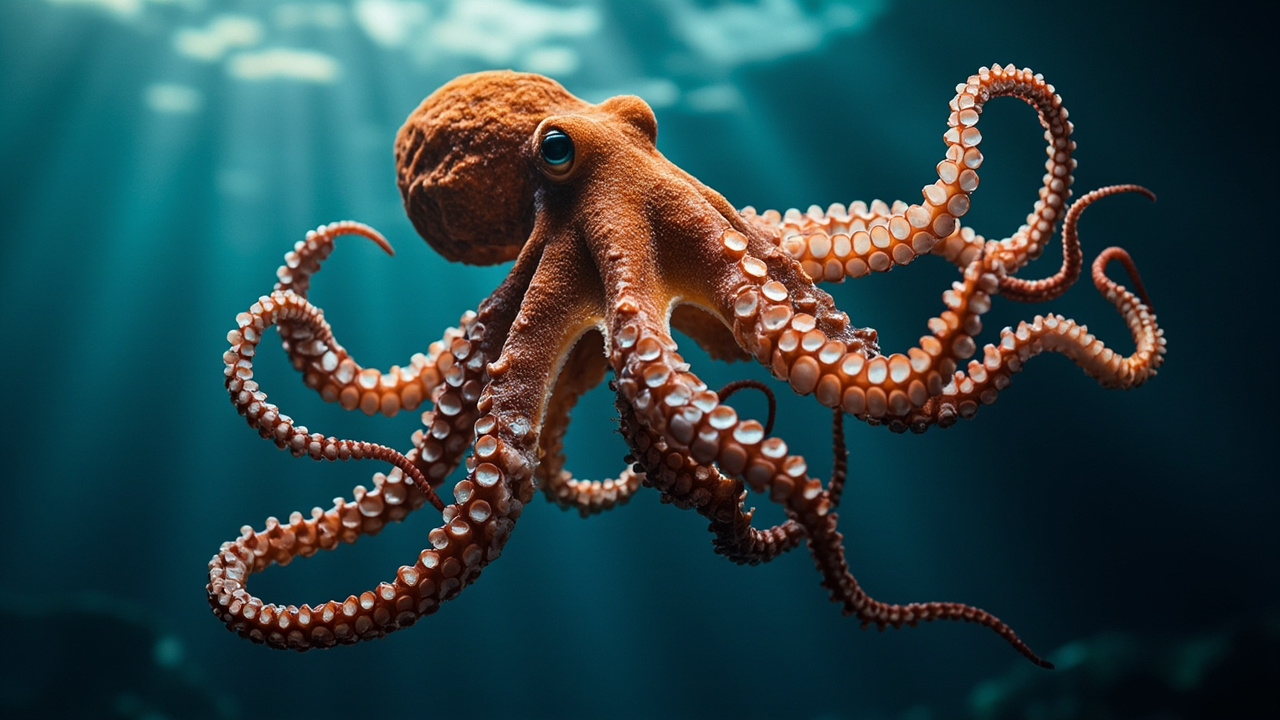
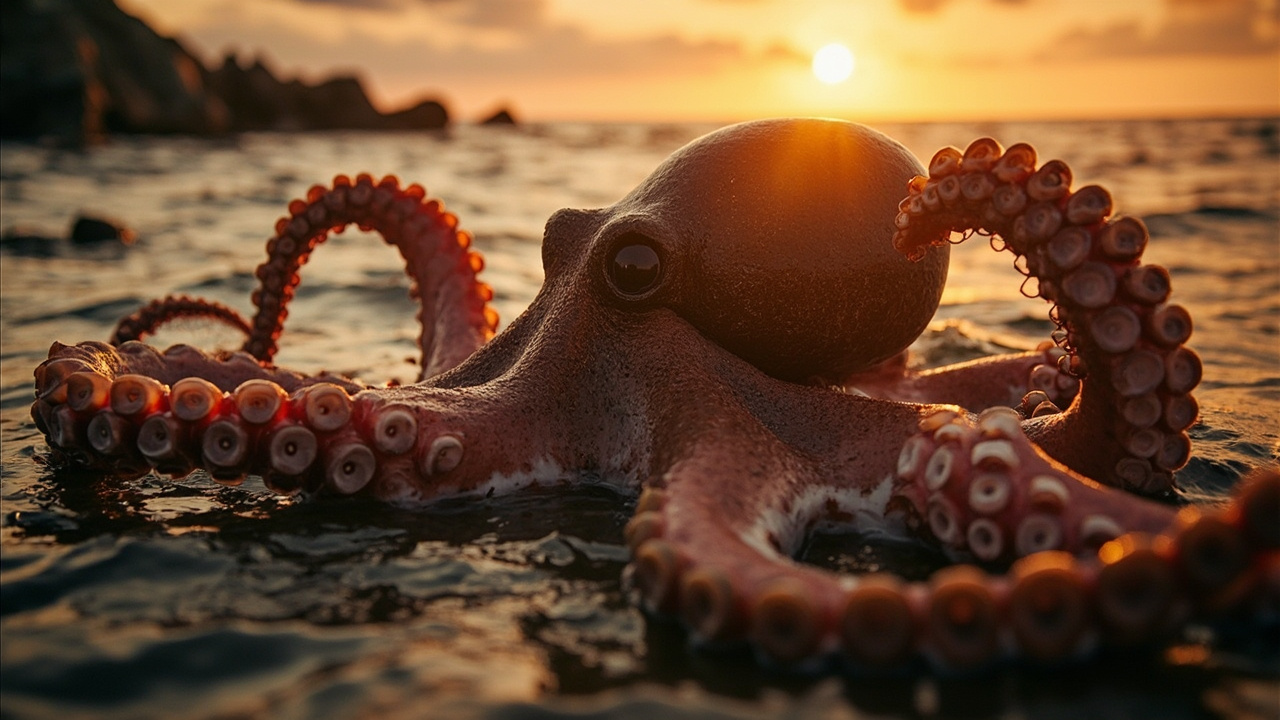
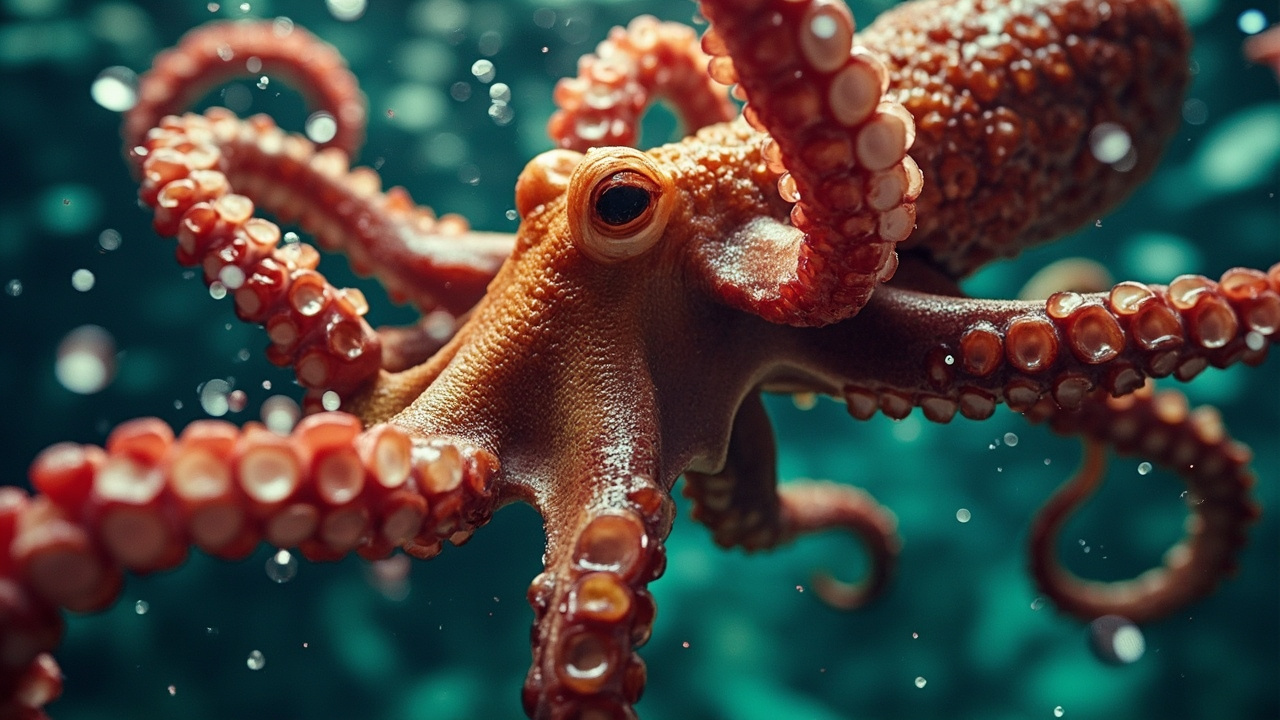
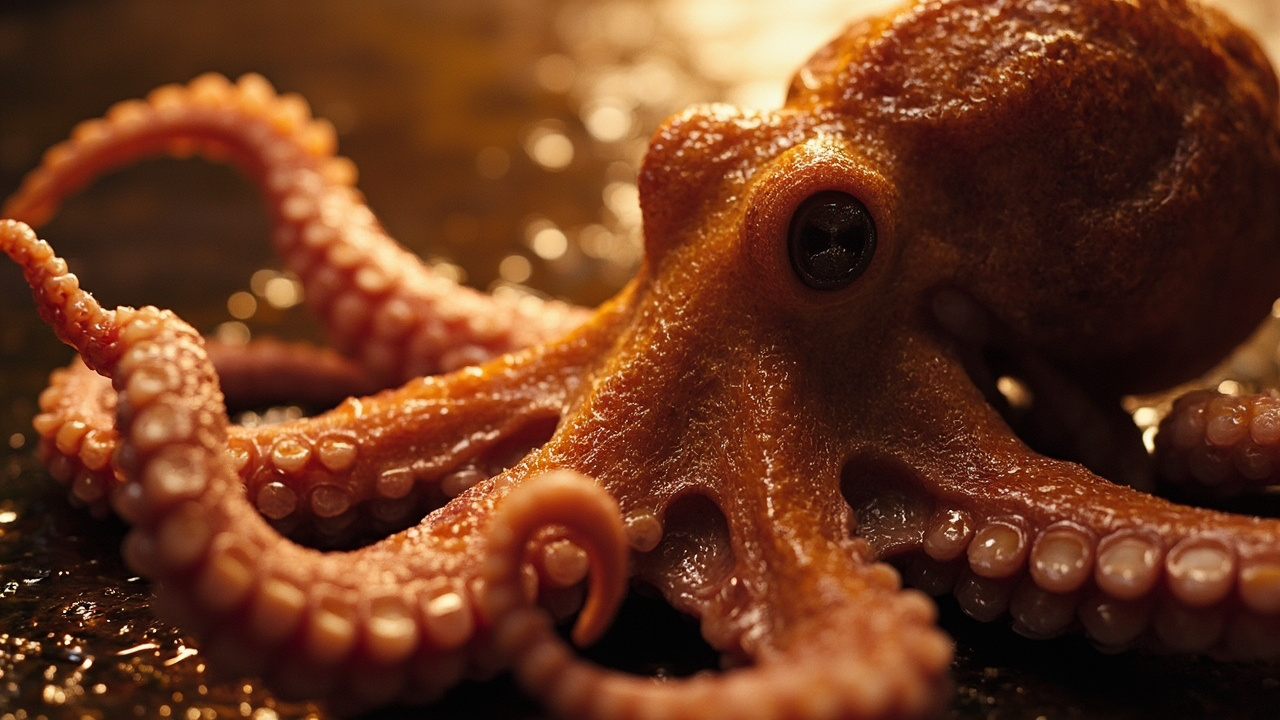
In the depths of the ocean, octopuses have been observed punching fish to stun them before eating. This behavior may seem aggressive, but it reveals a level of problem-solving and intelligence that is rare in the animal kingdom. Some researchers even compare it to multi-agent systems in AI, where different entities work together towards a common goal.
This intelligence is not just limited to predation. Octopuses have also been known to use tools, escape from enclosures, and even play with their food. These behaviors suggest that octopuses may have a form of consciousness that is still not fully understood.
Dolphins Getting High on Pufferfish
Dolphins are known for their playful nature, but recent observations have revealed a more unusual behavior: they have been seen passing around pufferfish, which contain toxins that can induce a trance-like state. This behavior has been interpreted as a form of playful interaction or even a way to relax.
While this behavior may seem strange to us, it highlights the complex social structures of dolphins. Their ability to interact in such a way suggests a high level of communication and cooperation within their pods.
Same-Sex Penguin Adoption
In the frigid lands of Antarctica, same-sex penguin couples have been observed adopting and raising chicks together. This behavior is not just a curiosity; it is a vital adaptation to the harsh environment, where every pair needs to work together to survive.
This adoption process is not always easy. Penguins are monogamous, and they form long-term pair bonds. However, when circumstances dictate, they are capable of forming new bonds and adapting to new roles within their community.
Zombie Ants Controlled by Fungi
Deep in the rainforests, there exists a fungus that takes control of ants’ bodies, turning them into zombies. This fungus infects an ant and then manipulates its behavior, causing it to climb to high locations where the fungus can spread its spores more effectively.
This is a testament to the complex and often parasitic nature of ecosystems. The fungus relies entirely on the ant to complete its life cycle, while the ant’s behavior is completely altered to serve the fungus’s needs.
Sloths Risking Death to Defecate
Sloths have a unique approach to digestion. Their digestive system is slow, and as a result, they only defecate once a week. However, this process is extremely dangerous for them, as it leaves them vulnerable to predators while they are on the ground.
Despite the risks, sloths are reluctant to change their habits. This highlights the fine balance that animals must maintain between their needs and the dangers of their environment.
Unraveling the Mysteries of the Animal Kingdom
These stories show us that there is still so much to learn about the complexity and diversity of life on Earth. By studying these behaviors, we can gain insights into the tools and methods used in professional research to uncover such fascinating phenomena.
Sources & References
For further reading, here are the trusted sources we relied on while preparing this article:
Related Reading
Continue exploring with these hand-picked articles from Viral Stories:
- Incredible Animals That Shock the World 2026: 12 Stories That Changed Wildlife Science
- 10 Most Dangerous Animals and their Deadly Destinations
- 10 Amazing Animal Survival Skills You Need to Know
- 5 Animals You Didn’t Know Existed and Their Fascinating Stories
The Science Behind Octopuses That Punch Fish for Fun
Octopuses are known for their intelligence and complex behaviors, but the phenomenon of octopuses that punch fish for seemingly no reason has intrigued scientists and animal lovers alike. This behavior, observed in the wild, showcases the intricate social dynamics and decision-making processes of these cephalopods. Researchers have documented instances where octopuses punch fish during collaborative hunting scenarios, often when the fish are not cooperating or when the octopus feels it is not getting a fair share of the spoils.
Studies have revealed that octopuses use this aggressive behavior to assert dominance and control over their hunting partners, which can include various species of fish. This punching behavior is not just a random act; it is a calculated move that serves multiple purposes. For instance, it can be a form of punishment for fish that do not contribute effectively to the hunt or a way for the octopus to redirect the fish’s attention to a more favorable position.
According to a study published in the journal “Ecology,” octopuses that punch fish are often seen in the Red Sea, where collaborative hunting is common. The study found that octopuses initiate these interactions about 30% of the time during joint hunts, indicating a high level of strategic thinking. This behavior is not limited to a single species of octopus; it has been observed in several species, suggesting it is a widespread tactic.
Experts believe that this behavior is a testament to the octopus’s problem-solving abilities and its understanding of social hierarchies. By punching fish, octopuses can influence the behavior of their hunting partners, ensuring a more successful hunt. This is just one example of how octopuses that punch fish demonstrate their intelligence and adaptability in the wild.
Practical Tips for Observing Octopuses That Punch Fish
For those interested in witnessing the fascinating behavior of octopuses that punch fish, there are several key considerations to keep in mind. Observing these interactions requires patience, knowledge, and respect for the animals and their habitats. Here are some practical tips to enhance your chances of observing this unique phenomenon:
- Choose the Right Location: Octopuses that punch fish are often found in coral reefs and rocky areas where collaborative hunting is common. Research locations known for octopus activity, such as the Red Sea, the Great Barrier Reef, or the Mediterranean Sea.
- Time Your Visit: These interactions are more likely to occur during specific times of the day, particularly during dawn and dusk when many marine animals are most active. Plan your dives or observations accordingly.
- Be Patient and Observant: Octopuses that punch fish do not engage in this behavior constantly. Spend time observing their interactions with other marine life, and you may be rewarded with a display of this intriguing behavior.
- Use the Right Equipment: A good pair of binoculars or a high-quality underwater camera can help you get a closer look without disturbing the animals. Avoid using flash photography, as it can startle the octopus and other marine life.
- Respect the Environment: Always follow responsible wildlife viewing guidelines. Do not touch or disturb the octopus or its habitat. Maintaining a safe distance is crucial for both the animals and your safety.
By following these tips, you can increase your chances of observing octopuses that punch fish in their natural habitat. This experience not only provides a glimpse into the complex social structures of marine life but also fosters a deeper appreciation for the intelligence and adaptability of octopuses.
The Broader Implications of Octopuses That Punch Fish
The behavior of octopuses that punch fish has broader implications for our understanding of animal intelligence and social dynamics. This phenomenon challenges traditional views of invertebrates as simple creatures and highlights the complexity of their decision-making processes. Octopuses are known for their problem-solving abilities, memory, and tool use, but their social interactions are less understood.
The act of punching fish during collaborative hunts suggests that octopuses have a nuanced understanding of social hierarchies and the roles of different species in their environment. This behavior indicates a level of strategic thinking that is rare among invertebrates. It also raises questions about the nature of cooperation and competition in the animal kingdom.
Researchers are increasingly interested in studying the social behaviors of octopuses, particularly in the context of cooperative hunting. By understanding how octopuses interact with other species, scientists can gain insights into the evolution of social behaviors and the factors that drive cooperation and conflict. This research could have implications for fields such as ecology, neuroscience, and even robotics, as engineers look to nature for inspiration in designing intelligent systems.
Furthermore, the study of octopuses that punch fish can contribute to conservation efforts. As marine ecosystems face threats from climate change, pollution, and overfishing, understanding the social structures and behaviors of marine life is essential for developing effective conservation strategies. By protecting the habitats of octopuses and their hunting partners, we can help preserve the delicate balance of marine ecosystems.
In conclusion, the behavior of octopuses that punch fish is a fascinating example of the complexity of animal intelligence and social dynamics. By observing and studying this behavior, we can deepen our understanding of the natural world and the diverse strategies that species use to survive and thrive.
Visual Guide
Frequently Asked Questions
What is this topic and why does it matter?
This depends on your specific situation, but the section on table of contents covers the details. Most readers find that following a consistent approach with this topic delivers the best results. Read on for evidence-based guidance and step-by-step methods you can apply today.
How does this topic work in practice?
This depends on your specific situation, but the section on the octopus and the fish: a tale of intelligence and cooperation covers the details. Most readers find that following a consistent approach with this topic delivers the best results. Read on for evidence-based guidance and step-by-step methods you can apply today.
What are the main benefits of this topic?
This depends on your specific situation, but the section on dolphins getting high on pufferfish covers the details. Most readers find that following a consistent approach with this topic delivers the best results. Read on for evidence-based guidance and step-by-step methods you can apply today.
How long does it take to see results from this topic?
This depends on your specific situation, but the section on same-sex penguin adoption covers the details. Most readers find that following a consistent approach with this topic delivers the best results. Read on for evidence-based guidance and step-by-step methods you can apply today.
What are common mistakes to avoid with this topic?
This depends on your specific situation, but the section on zombie ants controlled by fungi covers the details. Most readers find that following a consistent approach with this topic delivers the best results. Read on for evidence-based guidance and step-by-step methods you can apply today.
“`html
The Science Behind Octopuses Punching Fish for Fun
Octopuses punching fish for fun is a fascinating behavior that has intrigued scientists and marine enthusiasts alike. This seemingly playful action might actually serve a strategic purpose in the underwater world. Researchers believe that octopuses punch fish to assert dominance, communicate, or even practice hunting techniques. By understanding the motivations behind octopuses punching fish for fun, we gain insight into their complex social structures and cognitive abilities. Observing octopuses punch fish for fun more frequently in certain environments or situations could provide valuable data on their behavioral patterns.
Tips for Observing Octopuses Punch Fish for Fun
If you’re eager to witness octopuses punch fish for fun more often, consider the following tips:
- Choose the Right Location: Octopuses are more likely to exhibit this behavior in areas with abundant fish populations and diverse marine life. Research popular diving spots known for octopus sightings.
- Be Patient and Observant: Octopuses punching fish for fun can be a rare occurrence. Spend ample time underwater, remain quiet, and avoid sudden movements to increase your chances of seeing octopuses punch fish for fun.
- Use Underwater Cameras: Capturing octopuses punch fish for fun on camera can be challenging but rewarding. High-quality underwater cameras with fast shutter speeds are ideal for documenting this behavior.
- Learn from Experts: Join guided diving tours led by marine biologists or experienced divers who have witnessed octopuses punch fish for fun. Their knowledge can enhance your observation skills and understanding of this phenomenon.
- Respect Marine Life: Always prioritize the well-being of octopuses and fish. Avoid interfering with their natural behavior, and follow ethical guidelines for wildlife observation.
In summary, octopuses punching fish for fun is a captivating aspect of marine life that highlights the complexity of animal interactions. By incorporating these tips into your observations, you can enhance your chances of seeing octopuses punch fish for fun more frequently. Remember, each encounter with octopuses punch fish for fun offers a unique opportunity to appreciate the wonders of the ocean and the intricate relationships that define it. Whether you’re a seasoned diver or a curious observer, octopuses punching fish for fun provides a thrilling glimpse into the unexpected behaviors of these intelligent creatures.
“`
ViralUntold
Editor at ViralUntold. Filing dispatches on the stories behind the headlines.



More from Animals
Other stories in the Animals beat, filed continuously by the ViralUntold desk.