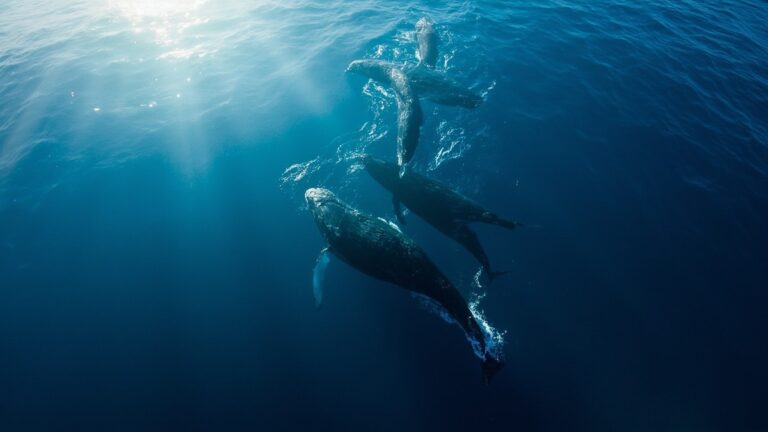
Animals You Didn’t Know Existed: Discover the World’s Weird-Looking and Rare Creatures
Estimated reading time: 7 minutes
Table of Contents
Key Takeaways
- Rare animals play a critical role in their ecosystems and often require conservation efforts.
- Weird-looking creatures can offer insights into biology and evolutionary adaptations.
- Several species are on the brink of extinction, highlighting the urgency of conservation.
- Exploration continues to reveal unknown wild creatures, reminding us of the world’s vast biodiversity.
- Understanding extinct animals helps us learn from past mistakes and the impacts of human activity.
Table of contents
Overview of Rare Animals
Rare animals are species that exist in low numbers and often have specific habitat requirements, making them less visible to the general public. These animals can have unique characteristics or specialized needs that contribute to their rarity, thus making conservation efforts essential. For instance, because of their limited populations, these species are often vulnerable to environmental changes.
The crucial roles of rare animals in ecosystem maintenance cannot be overstated. They often fulfill important ecological functions, such as:
- Pollination: Rare species can be key pollinators for many plants.
- Seed Dispersal: Certain rare animals help in seed dispersal, promoting ecosystem growth.
- Pest Control: They can maintain insect populations, preventing outbreaks that could devastate crops.
For more information, you can visit this source.
Weird-Looking Animals
The animal kingdom features a plethora of creatures whose unusual appearances not only intrigue us but also serve practical adaptations in their environments.
- Axolotl: The axolotl is a remarkable salamander known for its gill structure and the ability to regenerate limbs. It stays in its larval form throughout its life, remaining aquatic and capturing the interest of scientists and the public alike.
- Pangolin: Known for its unique scaled body, the pangolin is the most trafficked mammal globally. Its ability to roll into a ball provides defense against predators, while its long tongue is ideal for consuming ants and termites.
- Naked Mole Rat: This hairless rodent, native to East Africa, is known for its social colonies and remarkable resistance to cancer. Its subversive appearance and social structure make it a focal point of scientific study.
For more information on these unique animals and their fascinating lives, you can visit this source.
The Rarest Animals on the Planet
Some species are teetering on the edge of extinction, making their conservation a pressing global concern. Here are a few of the world’s rarest animals:
- Vaquita Porpoise: Widely considered the most endangered marine mammal, the vaquita’s population has plummeted to fewer than 20 individuals. Its survival is threatened by illegal fishing practices.
- Amur Leopard: With only around 70 individuals left, this elusive feline is a critical symbol of conservation efforts in its Russian Far East habitat.
- Sumatran Orangutan: The decline due to deforestation and hunting has left this great ape with a population under 14,000. Collaborative efforts aim to protect their fragmented habitats.
For more information on the conservation status of these and other species, you can visit this source.
Extinct Animals and Their Mystery
Extinction is a significant concern that can often stem from human activity. Learning about extinct animals sheds light on the consequences of environmental changes:
- Dodo: Once native to Mauritius, the dodo’s extinction serves as a powerful reminder of the impact human actions can have on species survival.
- Woolly Mammoth: This iconic creature faced extinction around 4,000 years ago, which has sparked interest in potential de-extinction projects through genetic research.
- Passenger Pigeon: Once numbering in the billions, the passenger pigeon’s extinction is often cited as an early warning about overhunting and habitat destruction.
For more information on the causes and consequences of extinction, you can visit this source.
Unknown Wild Creatures
Discoveries of new species continuously occur, emphasizing the undiscovered diversity still present on Earth:
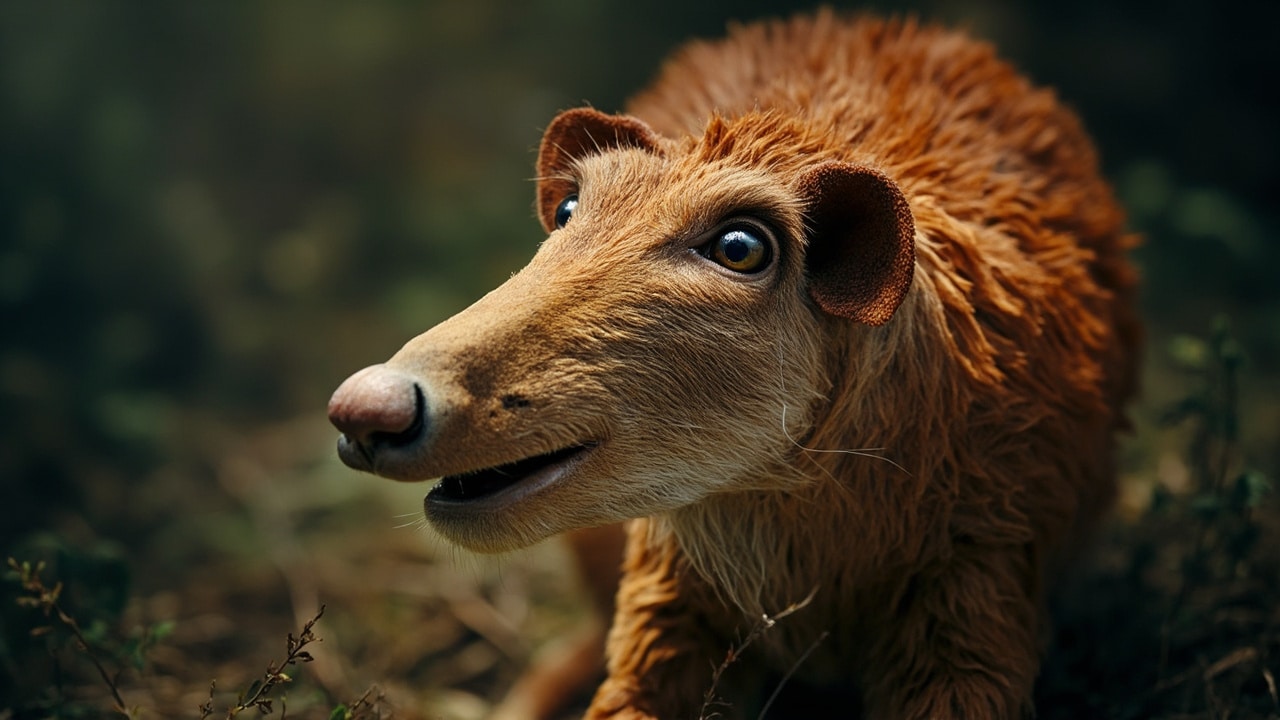
- Olinguito: Discovered in 2013, this small mammal captivates researchers with its distinct characteristics and unique habitat in the Andes.
- Deep-Sea Organisms: New species such as the anglerfish and giant isopods showcase the adaptations necessary for survival in extreme depths of the ocean.
For more information on recent species discoveries, you can visit this source.
Conclusion
The world of animals is a treasure trove of mystery, showcasing not only the colorful tapestry of life but also the critical importance of conservation efforts. Whether it’s the rare animals on the planet, bizarre appearances of certain species, or stories of extinction, each underscores the delicate balance of biological existence.
By engaging with and understanding these lesser-known creatures, we can foster appreciation for the diverse wildlife that shares our planet and work collectively towards preserving it for future generations.
Call-to-Action
Have you encountered any unusual animals or rare species during your travels or explorations? We invite you to share your stories and photographs of these fascinating creatures in the comments section below. Your experiences can significantly contribute to the ongoing dialogue around wildlife conservation and underscore the importance of safeguarding the natural world.
Frequently Asked Questions
What defines a rare animal?
Rare animals are those that exist in significantly low populations and typically face threats from human activity, habitat loss, and environmental changes.
What is the importance of biodiversity?
Biodiversity is essential for ecosystem resilience, agriculture, and the overall health of the environment.
How can individuals help in conservation efforts?
Individuals can contribute by supporting conservation organizations, reducing plastic use, and spreading awareness about endangered species.
Related Reading
Continue exploring with these hand-picked articles from Viral Stories:
- Incredible Animals That Shock the World 2026: 12 Stories That Changed Wildlife Science
- 10 Most Dangerous Animals and their Deadly Destinations
- 10 Amazing Animal Survival Skills You Need to Know
- The Great Emu War: How Australia Lost to Birds 5 Absurd Historical Anecdotes
Hidden Gems of the Animal Kingdom
When we think of the animal kingdom, we often picture the usual suspects: lions, elephants, and whales. However, the world is teeming with Animals You Didn’t Know Existed that possess extraordinary traits and captivating stories. These hidden gems often go unnoticed, overshadowed by their more famous counterparts. For instance, the olm, a blind amphibian residing in the caves of Europe, can live up to 100 years and survive without food for a decade. This unique creature exemplifies the incredible adaptability and resilience found in nature’s lesser-known inhabitants.
Another fascinating example is the saola, often referred to as the Asian unicorn due to its rarity and elusive nature. Discovered in 1992 in the Annamite Range of Vietnam and Laos, the saola remains one of the most enigmatic mammals on the planet. With its long, straight horns and white facial markings, this animal is a testament to the biodiversity that still awaits discovery in the world’s remote regions. Conservationists are working tirelessly to protect the saola, as it is estimated that fewer than 750 individuals remain in the wild.
Experts suggest that the key to uncovering more Animals You Didn’t Know Existed lies in the exploration of understudied habitats, such as the deep sea and dense rainforests. These environments are hotspots for biodiversity and are likely to harbor species that have yet to be documented by science. By supporting conservation efforts and funding scientific research, we can contribute to the discovery and preservation of these remarkable creatures.
Practical tips for learning more about these hidden gems include:
- Follow conservation organizations and researchers on social media to stay updated on new discoveries.
- Participate in citizen science projects that focus on biodiversity and species discovery.
- Visit natural history museums and attend lectures or workshops on lesser-known species.
By engaging with these resources, you can become more informed about the incredible diversity of life on Earth and the ongoing efforts to protect it.
The Science Behind Unusual Adaptations
The Animals You Didn’t Know Existed often possess remarkable adaptations that allow them to thrive in their unique environments. Take, for example, the axolotl, a neotenic salamander native to Mexico. Unlike most amphibians, the axolotl retains its larval features throughout its life, including external gills and a tail fin. This adaptation enables it to live permanently in water, making it a subject of fascination for scientists studying regeneration and developmental biology.
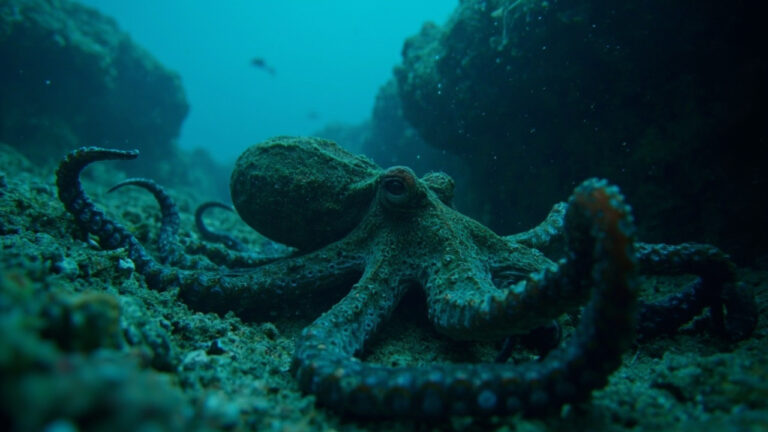
Another intriguing case is the mimic octopus, which can impersonate a variety of marine animals, including sea snakes, lionfish, and jellyfish. This incredible ability to mimic different species serves as a defense mechanism against predators, allowing the octopus to avoid detection and potential threats. Researchers are intrigued by the mimic octopus’s cognitive abilities and the complex behaviors that enable it to change its appearance and movement patterns.
Experts in evolutionary biology emphasize the importance of studying these unusual adaptations to gain insights into the mechanisms of evolution and the processes that drive biodiversity. By understanding how these Animals You Didn’t Know Existed have adapted to their environments, we can better appreciate the complexity of life and the myriad ways in which organisms interact with their surroundings.
To delve deeper into the science behind these adaptations, consider the following tips:
- Read scientific articles and books on evolutionary biology and animal behavior.
- Watch documentaries and nature shows that highlight the unique traits of lesser-known species.
- Engage with experts through online forums and social media platforms to ask questions and share insights.
By immersing yourself in the science of unusual adaptations, you can gain a greater appreciation for the ingenuity of nature and the diverse strategies that organisms employ to survive and thrive.
Conservation Efforts and How You Can Help
Many of the Animals You Didn’t Know Existed face significant threats due to habitat loss, climate change, and human activities. The vaquita, a small porpoise endemic to the Gulf of California, is critically endangered, with fewer than 10 individuals remaining. Conservationists are working diligently to implement measures to save the vaquita, but the situation underscores the urgent need for global action to protect endangered species.
Similarly, the kakapo, a flightless parrot from New Zealand, has faced near extinction due to introduced predators and habitat destruction. Thanks to intensive conservation efforts, the kakapo population has slowly recovered, but continued support is essential to ensure its survival. These examples highlight the critical role that conservation plays in preserving biodiversity and the delicate balance of ecosystems.
You can contribute to the conservation of these incredible creatures by:
- Supporting organizations dedicated to the protection of endangered species and their habitats.
- Advocating for policies and practices that promote sustainable development and environmental stewardship.
- Reducing your carbon footprint and supporting initiatives that combat climate change.
By taking these steps, you can help ensure that future generations will have the opportunity to learn about and appreciate the Animals You Didn’t Know Existed and the vital roles they play in our world.
Visual Guide


Frequently Asked Questions
What is this topic and why does it matter?
This depends on your specific situation, but the section on table of contents covers the details. Most readers find that following a consistent approach with this topic delivers the best results. Read on for evidence-based guidance and step-by-step methods you can apply today.
How does this topic work in practice?
This depends on your specific situation, but the section on overview of rare animals covers the details. Most readers find that following a consistent approach with this topic delivers the best results. Read on for evidence-based guidance and step-by-step methods you can apply today.
What are the main benefits of this topic?
This depends on your specific situation, but the section on weird-looking animals covers the details. Most readers find that following a consistent approach with this topic delivers the best results. Read on for evidence-based guidance and step-by-step methods you can apply today.
How long does it take to see results from this topic?
This depends on your specific situation, but the section on the rarest animals on the planet covers the details. Most readers find that following a consistent approach with this topic delivers the best results. Read on for evidence-based guidance and step-by-step methods you can apply today.
What are common mistakes to avoid with this topic?
This depends on your specific situation, but the section on extinct animals and their mystery covers the details. Most readers find that following a consistent approach with this topic delivers the best results. Read on for evidence-based guidance and step-by-step methods you can apply today.
“`html
The Importance of Discovering Animals Didn Know Existed Fascinating
Exploring the world of Animals Didn Know Existed Fascinating opens our eyes to the incredible diversity of life on Earth. These creatures, often hidden from the public eye, remind us of the vastness of our planet’s ecosystems and the endless wonders they hold. By learning about Animals Didn Know Existed Fascinating, we not only satisfy our curiosity but also gain a deeper appreciation for the natural world and the importance of conservation efforts.
How to Support the Conservation of Animals Didn Know Existed Fascinating
Discovering Animals Didn Know Existed Fascinating is just the first step. Here are some actionable tips to help you support the conservation of these incredible species:
- Educate Yourself and Others: Share stories of Animals Didn Know Existed Fascinating with friends and family. The more people know about these animals, the more they will care about their survival.
- Support Conservation Organizations: Many organizations work tirelessly to protect Animals Didn Know Existed Fascinating. Consider donating or volunteering with groups that focus on preserving their habitats.
- Advocate for Policy Changes: Encourage your local government to implement policies that protect the environments where Animals Didn Know Existed Fascinating live. This can include creating nature reserves or enforcing stricter regulations on deforestation and pollution.
- Make Sustainable Choices: Reduce your carbon footprint and support sustainable practices. Many Animals Didn Know Existed Fascinating are threatened by climate change and habitat destruction, so every effort counts.
By taking these steps, you contribute to the preservation of Animals Didn Know Existed Fascinating and ensure that future generations can also marvel at their unique stories. Remember, the world is full of Animals Didn Know Existed Fascinating, and each one plays a vital role in maintaining the balance of our ecosystems.
Expert Insights on Animals Didn Know Existed Fascinating
Experts in the field of zoology and environmental science emphasize the importance of studying Animals Didn Know Existed Fascinating. Dr. Jane Goodall, a renowned primatologist, once said, “Every animal has a story, and each one is a testament to the resilience and beauty of life.” Her work with chimpanzees, one of the Animals Didn Know Existed Fascinating, has inspired countless individuals to pursue careers in conservation.
Dr. Sylvia Earle, a marine biologist, highlights the significance of oceanic Animals Didn Know Existed Fascinating, such as the elusive vampire squid. “The deep sea is a treasure trove of life,” she states, “and protecting these creatures is essential for the health of our oceans.” These insights underscore the need for