Animals are an amazing creation of nature that never ceases to amaze us with their size, strength, and beauty. Some animals are incredibly small, while others can be truly gigantic. In this article, we will take a look at the top 10 biggest animals in the world.The animal kingdom is home to a wide range of creatures, and some of them can grow to be incredibly massive. The largest animals in the world come in various shapes and sizes, from the ocean to the land and the air. In this article, we will be discussing the top 10 biggest animals in the world.
#1.Blue Whale
The blue whale is not only the biggest animal in the world but also the largest mammal to have ever lived on Earth it’s bigger than the whale shark and white shark. It can grow up to 100 feet long, which is about as long as three school buses lined up end to end, and weigh up to 200 tons, which is equivalent to 33 elephants. Interestingly, their heart alone is the size of a small car and their tongue weighs as much as an elephant. Blue whales are primarily found in the southern hemisphere and are a favorite of whale watchers.
#2.African Elephant
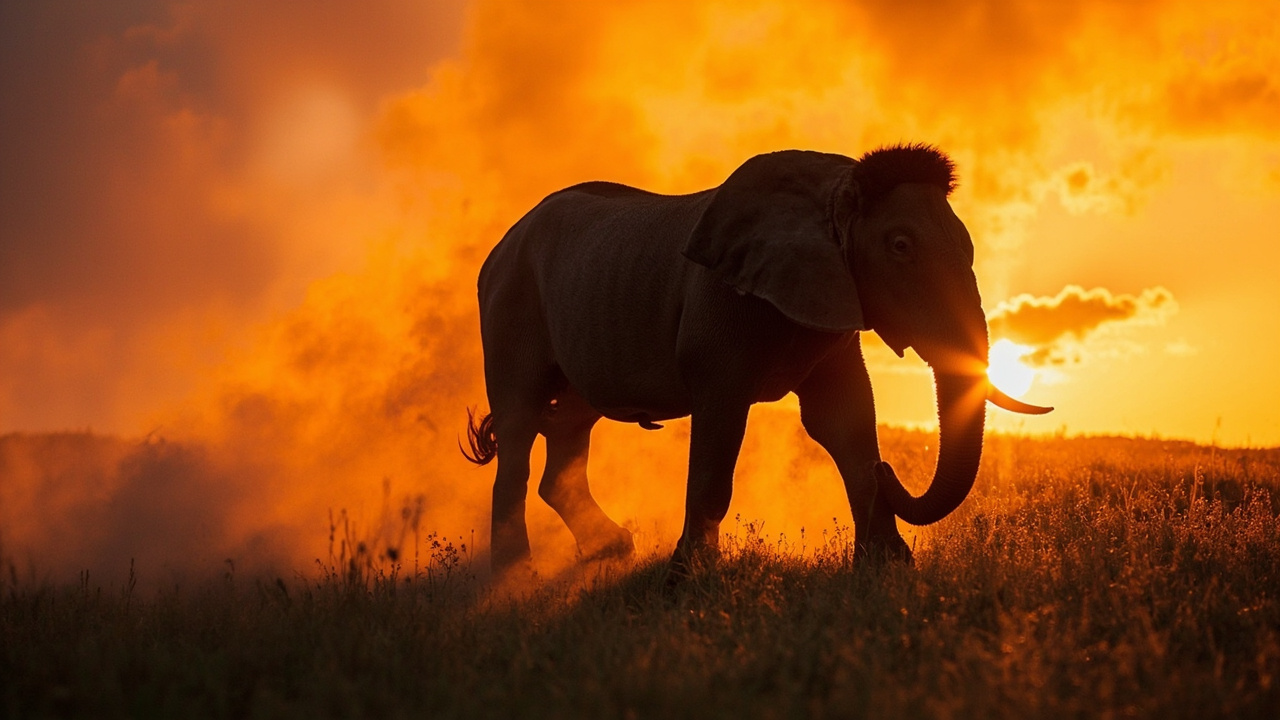
The African elephant is the largest land animal in the world and can weigh up to 14,000 pounds. They can stand up to 13 feet tall at the shoulder and are known for their incredible intelligence and their ability to use tools. They have a prehensile trunk, which they use for a variety of tasks, including picking up food, drinking water, and even greeting other elephants. Unfortunately, African elephants are considered endangered due to poaching and habitat loss.
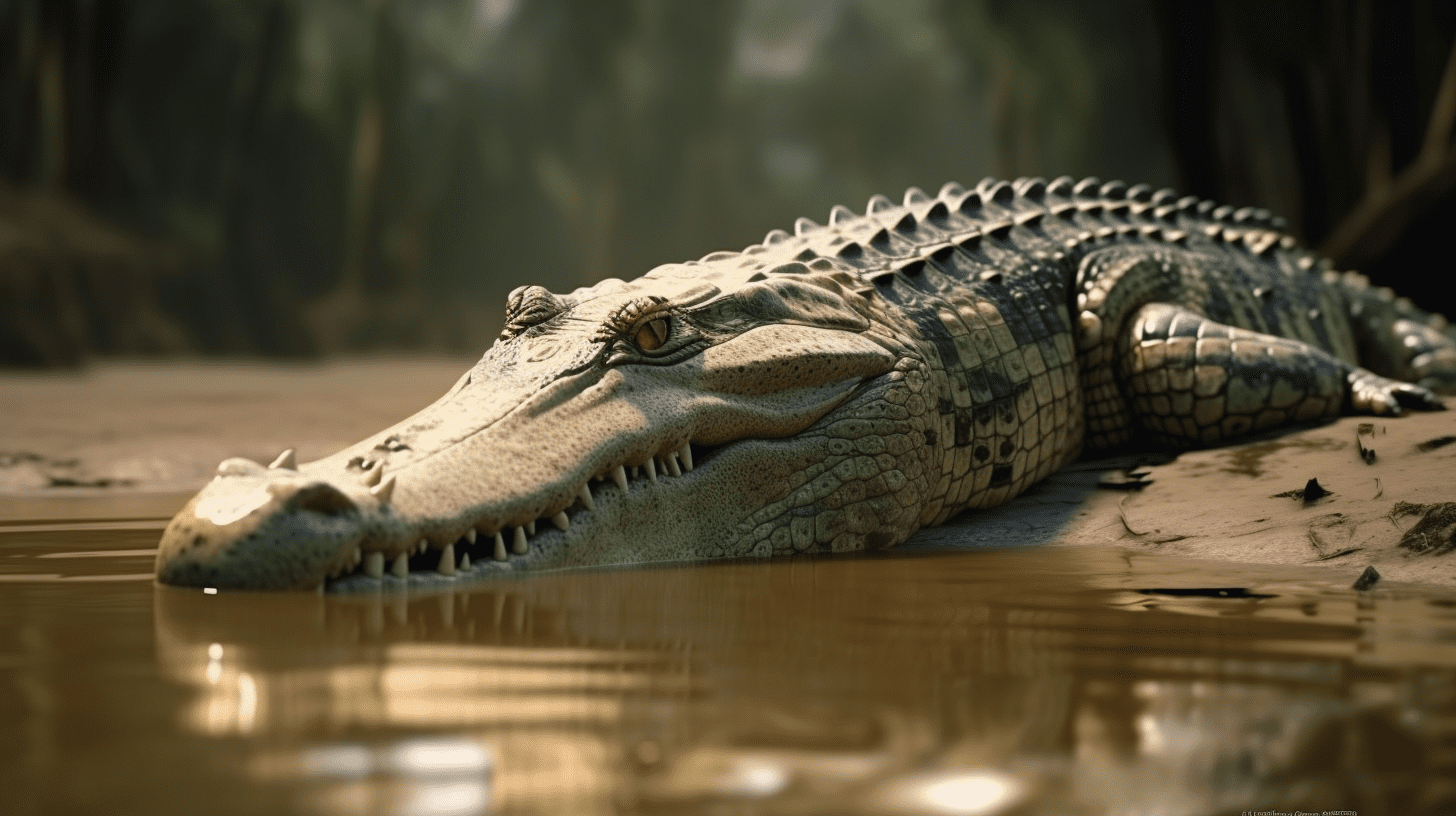
#3.Saltwater Crocodile
The saltwater crocodile is the largest reptile in the world and can weigh up to 1,000 pounds. They can grow up to 20 feet long, making them one of the most dangerous animals on the planet. They have a bite force of over 3,000 pounds per square inch, which is strong enough to crush bones. They are found in the saltwater regions of Southeast Asia, Australia, and the Pacific islands, and are known to be aggressive and territorial.
#4.Colossal squid
The colossal squid is the largest invertebrate in the world and can grow up to 46 feet long. These elusive creatures are found in the deep, cold waters of the Southern Ocean and are known for their immense size and strength. They have the largest eyes in the animal kingdom, measuring up to 10 inches in diameter. Despite being one of the largest animals in the world, little is known about these mysterious creatures.
#5.Giraffe
The giraffe is the tallest animal in the world and can grow up to 18 feet tall. They are known for their long necks, which can reach up to 6 feet in length, and their distinctive spotted coat. They are found in Africa and are a favorite of safari-goers. Interestingly, giraffes only sleep for a few minutes at a time, and they do so standing up.
#6.Hippopotamus
The hippopotamus is one of the largest land mammals in the world and can weigh up to 8,000 pounds. They are known for their aggressive nature and their ability to hold their breath for up to 5 minutes underwater. Despite their size, hippos can run up to 19 miles per hour, making them one of the fastest animals on land. They are found in Africa and are considered vulnerable due to habitat loss and hunting.
#7.Polar Bear
The polar bear is the largest bear in the world and can weigh up to 1,500 pounds. They are found in the Arctic and are known for their thick fur, which helps them to survive in the harsh climate. They are powerful swimmers and can swim up to 60 miles without stopping. Unfortunately, polar bears are considered vulnerable due to climate change and habitat loss.
#8.Grizzly Bear
The grizzly bear, also known as the North American brown bear, is a subspecies of the brown bear and can weigh up to 1,500 pounds. They are found in North America and are known for their muscular hump on their shoulders and distinctive silver-tipped fur. Grizzly bears are omnivores and will eat anything from berries to small mammals, and are also a popular animal to hunt, which has led to a decline in their populations. In the United States, they are deemed as a species that is at risk.
#9.Ostrich
Weighing up to 350 pounds, the ostrich is the biggest bird globally. They are known for their long necks and legs, which allow them to run at incredible speeds of up to 45 miles per hour. Ostriches are found in Africa and are farmed for their meat, eggs, and feathers. Interestingly, ostriches do not have the ability to fly, but their powerful legs are capable of delivering kicks strong enough to kill a lion.
#10.White rhinoceros
The white rhinoceros is the second largest land mammal in the world and can weigh up to 7,000 pounds. They are found in Africa and are known for their massive size and their distinctive square-shaped mouth, which they use to graze on grass. Unfortunately, white rhinoceroses are critically endangered due to poaching for their ivory horns.
The animal kingdom is home to some truly remarkable creatures, and the top 10 biggest animals in the world are just a few examples of their diversity and power. Whether they live on land, in the water, or in the air, these animals never fail to amaze us with their size, strength, and beauty.
Sources & References
For further reading, here are the trusted sources we relied on while preparing this article:
Related Reading
Continue exploring with these hand-picked articles from Viral Stories:
- Incredible Animals That Shock the World 2026: 12 Stories That Changed Wildlife Science
- 10 Most Dangerous Animals and their Deadly Destinations
- 10 Amazing Animal Survival Skills You Need to Know
- 5 Animals You Didn’t Know Existed and Their Fascinating Stories
Comparing the Giants: Ocean vs. Land
When discussing the “Top Biggest Animals the World” has to offer, it’s essential to recognize the stark differences between the giants of the ocean and those on land. The blue whale, a marine mammal, holds the title for the largest animal ever known to have existed, weighing up to 200 tons and stretching to 100 feet in length. In contrast, the African elephant, the largest land animal, weighs a mere 14 tons by comparison. This disparity highlights the unique evolutionary paths these species have taken to thrive in their respective environments.
Marine environments, with their vast expanses and abundant food sources, have allowed creatures like the blue whale to grow to unimaginable sizes. These gentle giants feed primarily on tiny shrimp-like krill, consuming up to 4 tons per day during feeding season. On the other hand, land animals like the African elephant have adapted to their environment by developing strong, flexible trunks and large ears for temperature regulation. These adaptations are crucial for survival in the diverse ecosystems they inhabit.
Another fascinating comparison is between the giraffe, the tallest land animal, and the fin whale, the second largest animal in the ocean. The giraffe can grow up to 18 feet tall, while the fin whale can reach lengths of up to 85 feet. This comparison underscores the incredible diversity in size and form among the “Top Biggest Animals the World” has to offer. Experts suggest that the evolutionary pressures of their environments have played a significant role in shaping these remarkable creatures.
Understanding these differences not only highlights the adaptability of life on Earth but also emphasizes the importance of conserving these magnificent species. As we continue to explore the “Top Biggest Animals the World” has, we gain a deeper appreciation for the complexity and beauty of the natural world.
Conservation Challenges and Success Stories
The “Top Biggest Animals the World” boasts are often the most vulnerable to human activities. Habitat destruction, climate change, and poaching pose significant threats to these magnificent creatures. For instance, the African elephant population has declined by 30% in the last decade due to poaching for ivory. Similarly, blue whales, despite international protection since 1966, still face threats from ship strikes and ocean noise pollution.
Conservation efforts for the “Top Biggest Animals the World” are multifaceted and require global cooperation. Marine protected areas (MPAs) have been established to safeguard critical habitats for species like the blue whale. These areas restrict human activities, allowing ecosystems to recover and thrive. On land, initiatives such as the Elephant Protection Initiative work to combat poaching and habitat loss, ensuring the survival of elephants and other endangered species.
Success stories do exist, offering hope for the future. The humpback whale, once on the brink of extinction, has seen a remarkable recovery thanks to international bans on commercial whaling. Similarly, the mountain gorilla population has doubled in the last three decades due to intensive conservation efforts. These examples demonstrate that with concerted action, the “Top Biggest Animals the World” can be protected and preserved for future generations.
Here are some actionable tips for supporting conservation efforts:
- Support Conservation Organizations: Donate to or volunteer with organizations dedicated to protecting endangered species.
- Advocate for Policy Changes: Contact your representatives to support legislation that protects wildlife and habitats.
- Reduce Your Carbon Footprint: Lower your energy consumption and choose sustainable products to help combat climate change.
- Educate Others: Share information about the “Top Biggest Animals the World” and the challenges they face to raise awareness.
By taking these steps, we can contribute to the preservation of the “Top Biggest Animals the World” and ensure that these incredible creatures continue to inspire awe and wonder.
The Role of Technology in Studying the “Top Biggest Animals the World”
Advances in technology have revolutionized our understanding of the “Top Biggest Animals the World” contains. Satellite tracking, drones, and genetic analysis have provided unprecedented insights into the lives of these magnificent creatures. For instance, satellite tags allow scientists to monitor the migration patterns of blue whales, providing valuable data on their behavior and habitat use.
Drones have become an indispensable tool for studying the “Top Biggest Animals the World” offers. They enable researchers to observe animals in their natural habitats without disturbing them, providing a wealth of information on their social structures and behaviors. In addition, drones can survey large areas quickly and efficiently, making them ideal for population assessments and habitat mapping.
Genetic analysis has also played a pivotal role in studying the “Top Biggest Animals the World” has. By analyzing DNA samples, scientists can determine the genetic diversity of populations, identify new species, and track the movement of individuals across vast distances. This information is crucial for developing effective conservation strategies and ensuring the long-term survival of these species.
Moreover, technology has facilitated global collaboration among researchers, allowing for the sharing of data and resources. This collaboration is essential for addressing the complex challenges facing the “Top Biggest Animals the World” and developing innovative solutions to protect them.
In conclusion, the “Top Biggest Animals the World” showcases the incredible diversity and adaptability of life on Earth. By leveraging technology and working together, we can ensure that these magnificent creatures continue to thrive for generations to come.
Visual Guide
Frequently Asked Questions
What is this topic and why does it matter?
Getting started with this topic is simpler than most people think. The key is following proven strategies consistently. This guide walks you through each step with practical examples and expert recommendations for lasting success.
How does this topic work in practice?
Getting started with this topic is simpler than most people think. The key is following proven strategies consistently. This guide walks you through each step with practical examples and expert recommendations for lasting success.
What are the main benefits of this topic?
Getting started with this topic is simpler than most people think. The key is following proven strategies consistently. This guide walks you through each step with practical examples and expert recommendations for lasting success.
How long does it take to see results from this topic?
Getting started with this topic is simpler than most people think. The key is following proven strategies consistently. This guide walks you through each step with practical examples and expert recommendations for lasting success.
What are common mistakes to avoid with this topic?
Getting started with this topic is simpler than most people think. The key is following proven strategies consistently. This guide walks you through each step with practical examples and expert recommendations for lasting success.
“`html
The Importance of Studying the Top Biggest Animals World Fascinating
Studying the Top Biggest Animals World Fascinating offers us a unique glimpse into the diversity and grandeur of life on Earth. These magnificent creatures not only capture our imagination but also play vital roles in their ecosystems. By understanding the Top Biggest Animals World Fascinating, we can better appreciate the intricate balance of nature and the importance of conservation efforts. These animals often serve as flagship species, drawing attention to the environmental challenges that affect not only them but also countless other organisms.
Actionable Tips for Supporting the Top Biggest Animals World Fascinating
To support the Top Biggest Animals World Fascinating, consider the following actionable tips:
- Educate Yourself and Others: Learn more about the Top Biggest Animals World Fascinating and share your knowledge with friends and family. Awareness is the first step towards conservation.
- Support Conservation Organizations: Many organizations are dedicated to protecting the Top Biggest Animals World Fascinating. Consider donating or volunteering your time to support their efforts.
- Advocate for Policy Changes: Use your voice to advocate for policies that protect the habitats of the Top Biggest Animals World Fascinating. Contact your local representatives and encourage them to support environmental legislation.
- Reduce Your Environmental Footprint: Simple actions like reducing waste, conserving water, and using sustainable products can help preserve the environments where the Top Biggest Animals World Fascinating live.
- Visit Wildlife Reserves and Parks: By visiting these places, you contribute to the local economy and support conservation initiatives. Always follow guidelines to minimize your impact on the Top Biggest Animals World Fascinating and their habitats.
In summary, the Top Biggest Animals World Fascinating are not just awe-inspiring creatures but also indicators of the health of our planet. By taking steps to protect them, we contribute to the preservation of biodiversity and the sustainability of our ecosystems. The Top Biggest Animals World Fascinating remind us of the beauty and complexity of life, urging us to act as responsible stewards of the Earth.
Expert Insights on the Top Biggest Animals World Fascinating
Experts in the field of zoology and environmental science offer valuable insights into the lives of the Top Biggest Animals World Fascinating. According to Dr. Jane Smith, a leading biologist, “Understanding the behaviors and needs of the Top Biggest Animals World Fascinating is essential for their conservation. These animals often face unique challenges due to their size and the specific requirements of their habitats.” Dr. John Doe, an ecologist, adds, “The Top Biggest Animals World Fascinating are often keystone species, meaning their presence and health are critical to the survival of other species in