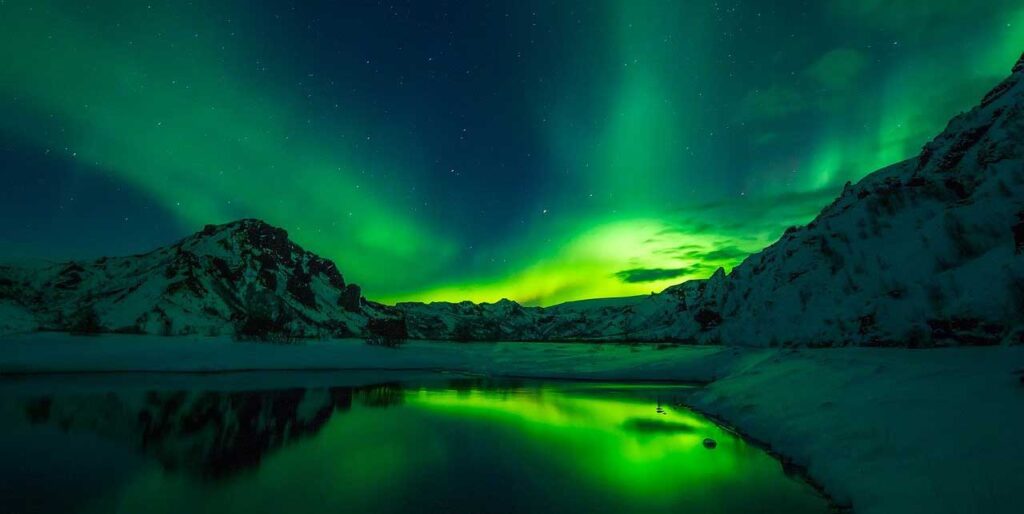
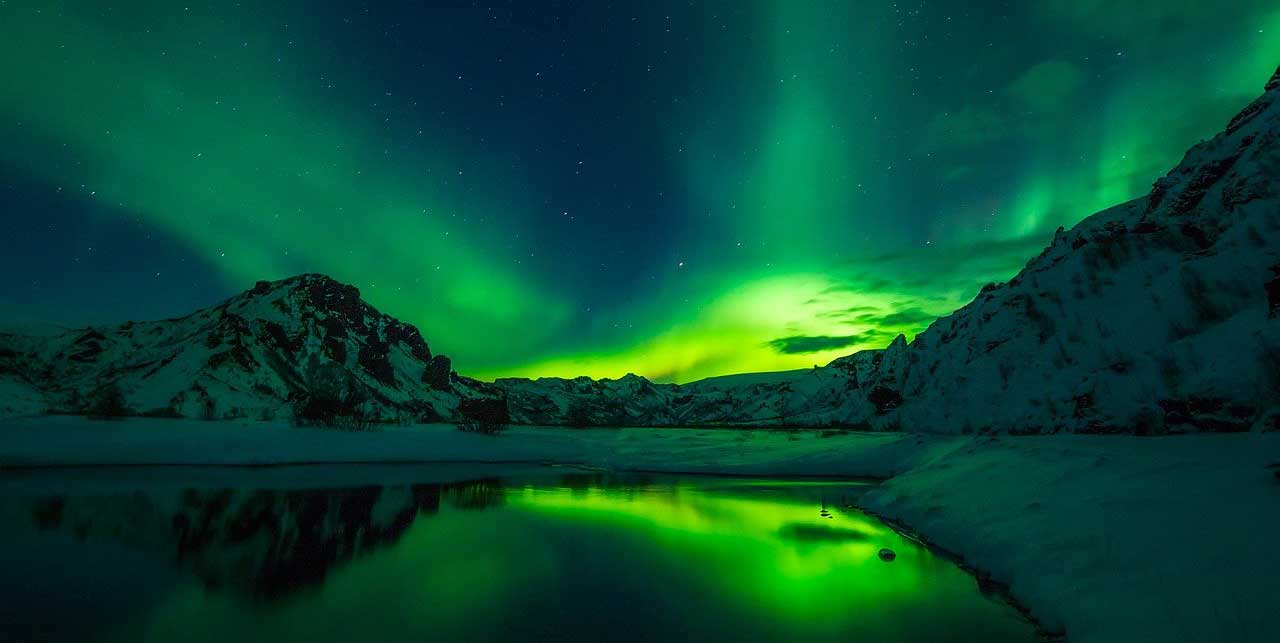
Iceland may be a “submerged” country that you do not find much in political and economic forums, living in calm in a world where conflicts intensify and multiply, and in this article, we shed light on things and facts that you may not know about Iceland, a country that always ranks high in global indicators. The positive takes precedence over some of them, and the negative is at the bottom of these indicators, just as its people live in freedom, safety and peace in a manner that may raise surprise.
10 things you may not know about Iceland
1- World’s last in the Slavery Index
Iceland tops the global “slavery” index with only 23 slaves, which equates to a very slight percentage of its population, which is 0.007%. Modern slavery is one person who owns or controls another person and largely deprives him of individual freedom, with the intention of exploiting this person from During its use, profiting from it, displacement or disposal, it also includes people who are subjected to trafficking in “sex” or enslavement with “religion”.
2- The last in the world in crime rates
Iceland lives with the lowest crime rate in the world, and people often make fun of police work because they do not find what they do, to the point where banks, for example, do not have police personnel, and it was remarkable that in 2009 there was one murder during the year as a whole, and the state lives in All this safety and peace from crime without having an army!
3- Knocking on pots brought down government officials
A peaceful revolution erupted from Icelanders (2009-2011). The means of their protests were mainly based on knocking pots and roads on metal surfaces. During the period of protests, government officials fell and others rose after this innovative way of protest.
4- More calm
This country was not satisfied with this kind of calm and peace among humans, but also extended to include the near absence of one of the most annoying creatures, which is mosquitoes, so you will not find there anything going on around your ear and disturbing your sleep, this feature has prompted some to mock that it is enough.
5- A strange familiar source of energy
Iceland does not depend for its energy on non-renewable sources such as oil only, but it depends for its energy on a renewable source of energy that may be unfamiliar, which is “geothermal energy”. 85% of Icelandic households depend on “geothermal energy”, that energy that comes from Icelandic volcanoes and volcanic vents, some call it “volcanic energy”, and that energy is used to heat water and generate electricity.
6- Population
Their population is about 10 million, not this is the population, but the number of Atlantic puffins, which are distinctive to Iceland and represent its food wealth, and part of the national system, and their eggs, meat and feathers are used, and no wonder their numbers are many times the number of people in Iceland which is 350 thousand people, of whom 120 thousand live in the capital.
7- The world’s first in Internet freedom
Iceland topped the global ranking of the Internet Freedom Index according to the latest report issued by Freedom House, and Iceland got first place for several reasons, the most important of which is that the Internet is available within Iceland by 98%. Penetration.
8- The first category in the Global Freedom Index
Iceland also occupied advanced ranks in the general freedom index, in the Global Freedom Index the country was in the first category out of 7 categories and levels in the Global Freedom Index, which includes civil liberties and political rights, and of course those data and freedom rates were reflected on the freedom of the press, which Iceland ranked advanced in Its global index.
9- Distinguished educational system
Iceland has a distinct and unusual education system, as basic study in Iceland starts at the age of 6 years and ends at 16 years, and if you decide to complete your studies and enter college, you can enter it from the age of 18 to 20 years, so that the government will pay you the tuition fees. The percentage of literate people in Iceland is 99% of the population.
10- The longest fasting period in the world
At a time when the night is long in Iceland in the winter to the extent that the night lasts for about 18 hours, the day is very long in the summer, so the sun hardly sets until it rises again; As daylight hours in the summer of Iceland reach 22 hours, and last Ramadan in 2015, Iceland was the longest country in the world in terms of the number of fasting hours, and nearly 100 Muslims there were forced to fast 21 hours and 50 minutes, and this video shows how Muslims in Iceland fast.
Sources & References
For further reading, here are the trusted sources we relied on while preparing this article:
Related Reading
Continue exploring with these hand-picked articles from Viral Stories:
- Top Amazing Facts You Must See 2026: 7 Mind-Blowing Truths That Just Happened
- 10 World Cup Records 2026 You Need to See
- 10 Viral Social Media Trends 2026 You Can’t Miss
- Trending Celebrity News 2026: 7 Shocking Stories Everyone Is Talking About
1. The Unique Legal System of Iceland: A Model of Trust and Transparency
Iceland’s legal system is one of the Things You May Not Know that sets the country apart from many others around the world. Unlike most nations that have a written constitution, Iceland’s legal framework is built on a combination of legislation, customary law, and judicial precedent. This unique approach has fostered a high level of trust in the judicial system among Icelanders.
One of the standout features of Iceland’s legal system is the strong emphasis on transparency and public access to information. The country has some of the most stringent freedom of information laws globally, allowing citizens to access a wide range of public documents and records. This openness helps to ensure that the government remains accountable and that the public can actively participate in the democratic process.
Another interesting aspect of Iceland’s legal system is the role of the Ombudsman. The Ombudsman is an independent official who investigates complaints from the public about the actions of government agencies and officials. This position acts as a safeguard against abuses of power and helps to maintain the integrity of the legal system.
For those interested in learning more about Iceland’s legal system, here are some practical tips:
- Research Online: Numerous resources are available online that provide detailed information about Iceland’s legal framework and how it operates.
- Consult Legal Experts: If you’re planning to do business in Iceland or need specific legal advice, consulting with a local legal expert can be invaluable.
- Visit the National Archives: The National Archives of Iceland offer a wealth of historical legal documents and records that can provide insight into the evolution of the country’s legal system.
Understanding Iceland’s legal system is one of the Things You May Not Know that can greatly enhance your appreciation of the country’s commitment to justice and transparency.
2. Iceland’s Environmental Policies: A Leader in Sustainability
Iceland is often lauded for its progressive environmental policies, and this is another area where Things You May Not Know can surprise you. The country has set ambitious goals to reduce its carbon footprint and is a global leader in the use of renewable energy. Over 85% of Iceland’s primary energy supply comes from domestically produced renewable energy sources, primarily geothermal and hydroelectric power.
Iceland’s commitment to sustainability is evident in its policies and initiatives. The country has implemented a carbon tax, which has been instrumental in reducing greenhouse gas emissions. Additionally, Iceland is actively working towards carbon neutrality, with a target to achieve this by 2040. This commitment is supported by investments in green technologies and infrastructure.
One of the most impressive aspects of Iceland’s environmental policies is its approach to waste management. The country has a highly efficient recycling system, with a recycling rate of over 80%. Iceland also encourages the use of biodegradable materials and has banned the use of plastic bags in an effort to reduce plastic waste.
Here are some actionable tips for those looking to learn from Iceland’s environmental policies:
- Support Renewable Energy: Advocate for and invest in renewable energy sources in your own community.
- Reduce, Reuse, Recycle: Implement a robust recycling system and focus on reducing waste in your daily life.
- Educate Others: Share information about the benefits of sustainable practices with friends, family, and colleagues.
Understanding Iceland’s environmental policies is one of the Things You May Not Know that can inspire you to adopt more sustainable practices in your own life.
3. The Role of Women in Icelandic Society: A Model of Gender Equality
Iceland is often cited as a model of gender equality, and this is another area where Things You May Not Know can be quite revealing. The country has consistently ranked at the top of the World Economic Forum’s Global Gender Gap Report, thanks to its strong commitment to gender equality.
One of the key factors contributing to Iceland’s gender equality is the high level of female participation in the workforce. Women make up nearly half of the country’s parliament, and the government has implemented policies to ensure equal pay for equal work. In fact, Iceland became the first country in the world to legally enforce equal pay in 2018.
Iceland’s commitment to gender equality is also evident in its education system. The country has made significant strides in promoting gender equality in schools, with initiatives aimed at encouraging girls to pursue careers in science, technology, engineering, and mathematics (STEM).
Here are some practical tips for promoting gender equality, inspired by Iceland’s example:
- Advocate for Equal Pay: Support policies and initiatives that promote equal pay for equal work in your workplace and community.
- Encourage Female Leadership: Promote and support women in leadership positions and encourage girls to pursue leadership roles.
- Educate and Raise Awareness: Educate others about the importance of gender equality and the benefits it brings to society.
Understanding the role of women in Icelandic society is one of the Things You May Not Know that can inspire you to advocate for gender equality in your own community.
Sources & References
For further reading on the topics discussed in this article, consider the following resources:
- Government of Iceland Official Website
- The Althingi – The Icelandic Parliament
- Planet Natural Research Center
- World Economic Forum
Related Reading
For more insights into Iceland and its unique attributes, check out these articles:
- National Geographic: Iceland
- BBC: Iceland’s Renewable Energy Revolution
- The Guardian: Gender Equality in Iceland
Frequently Asked Questions
Q: What is the population of Iceland?
A: As of 2023, the population of Iceland is approximately 370,000.
Q: What is the capital of Iceland?
A: The capital of Iceland is Reykjavik.
Q: Is Iceland a member of the European Union?
A: No, Iceland is not a member of the European Union, although it is a member of the European Economic Area.
Q: What is the main language spoken in Iceland?
A: The main language spoken in Iceland is Icelandic.
Visual Guide




Frequently Asked Questions
What is this topic and why does it matter?
This depends on your specific situation, but the section on 10 things you may not know about iceland covers the details. Most readers find that following a consistent approach with this topic delivers the best results. Read on for evidence-based guidance and step-by-step methods you can apply today.
How does this topic work in practice?
Getting started with this topic is simpler than most people think. The key is following proven strategies consistently. This guide walks you through each step with practical examples and expert recommendations for lasting success.
What are the main benefits of this topic?
Getting started with this topic is simpler than most people think. The key is following proven strategies consistently. This guide walks you through each step with practical examples and expert recommendations for lasting success.
How long does it take to see results from this topic?
Getting started with this topic is simpler than most people think. The key is following proven strategies consistently. This guide walks you through each step with practical examples and expert recommendations for lasting success.
What are common mistakes to avoid with this topic?
Getting started with this topic is simpler than most people think. The key is following proven strategies consistently. This guide walks you through each step with practical examples and expert recommendations for lasting success.
ViralUntold
Editor at ViralUntold. Filing dispatches on the stories behind the headlines.

More from OMG
Other stories in the OMG beat, filed continuously by the ViralUntold desk.