Have you ever wondered what are the 10 most poisonous animals in the world? On planet Earth, there are hundreds of animals that could be fatal to humans, although on many occasions the potential or effects of its toxin are unknown.
Remember, for animals to inject poison, it is an effort, a loss of energy, and even a recovery time when they are at risk, they do not attack.
Even if it is a defense mechanism, the venom can severely affect you and lead you straight to the mortal for this reason, we recommend that you continue reading in Viral Untold about this ranking of the ten most poisonous animals in the world.
Top 10 most poisonous animals in the world
10. Puffer Fish
Puffer fish is the second most poisonous vertebrate, as its poison is very strong enough to kill humans. Pufferfish live in most tropical seas, and its venom is found in its internal organs (liver, kidneys, and bone thorns), and its poison It is a toxin that affects nerves and is called (tetrodotoxin).
This poison is 1200 times more dangerous than cyanide, and despite that the meat of this fish is eaten, but not every person authorized to cook it must be trained on that and with a permit as well.
9. Poison Dart Frog
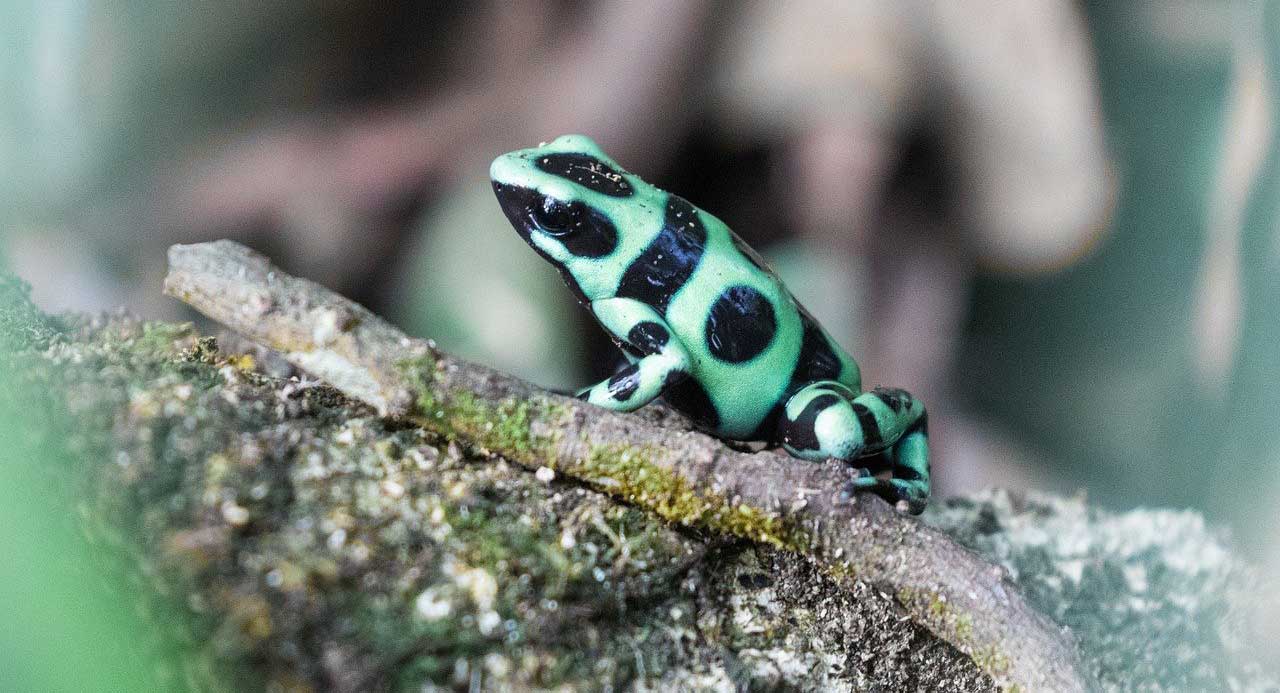
The poison arrow frog comes in the ninth place among the most poisonous animals in the world and the first among poisonous vertebrates. The poison arrow frog lives in the forests of Central and South America, and there are 100 species of these poisonous frogs, but the most dangerous is the golden frog, whose poison strength is enough to kill 10 From men, this frog acquires its toxins from eating some types of insects. The toxin is secreted through his skin.
8. Inland Taipan
It is also called the violent snake and it is ranked eighth among the most poisonous animals in the world, it lives in central Australia, one bite of this snake is able to kill 100 adult men, and despite that no death was recorded as a result of its bite due to its shy nature as it hides When someone is in its vicinity.
7. Brazilian Wandering Spider
The Brazilian wandering spider, or as it is also called the banana spider, lives in many places in Brazil, Central and South America, hiding in the forest floor instead of setting up nets, and it is the most poisonous species of spiders.
6. Stonefish
And in the sixth place of the most poisonous animal in the world comes the stone fish, which is the most poisonous fish in the world. The toxin is excreted through 13 bone thorns arranged on its back, and the poison reaches it from toxic bags connected to the spine.
5. DeathStalker Scorpion
It lives in the Middle East and North Africa region, and has many names, including the yellow scorpion of Palestine, the scorpion of Omdurman and the scorpion of the Negev desert. The amount it secretes during its bite is not enough to kill healthy adults, but it may be fatal for those without it, in addition to the strength of its venom, but its sting is very painful.
4. Blue Ringed Octopus
Although it is the size of a golf ball, it ranks fourth among the most poisonous animals in the world and despite its small size it makes up for it with the strength of its poison.
3. Marbled Cone Snail
Whoever comes in third place, you will not believe that it is just a snail that does not appear to be deadly and contains deadly toxins, it is the marble cone snail and one of the most poisonous animals where one drop of its venom is able to kill 20 adults, living on the Australian coast.
2. King Cobra
It comes in second place and is classified as the longest venomous snake in the world, with a length of (3,5 – 4,5 m). The cobra lives in Southeast Asia and India.
Cobra venom, extracted from one bite, is enough to kill an elephant or 20 adult men.
1. Box jellyfish
The most venomous animal in the world, and one of the fastest and most sophisticated jellyfish in the nervous system, the culture of the square jellyfish contains 5,000 stinging cells that contain a highly lethal venom that will kill its prey instantly.
Sources & References
For further reading, here are the trusted sources we relied on while preparing this article:
Related Reading
Continue exploring with these hand-picked articles from Viral Stories:
- Incredible Animals That Shock the World 2026: 12 Stories That Changed Wildlife Science
- 10 Most Dangerous Animals and their Deadly Destinations
- 10 Amazing Animal Survival Skills You Need to Know
- 5 Animals You Didn’t Know Existed and Their Fascinating Stories
Understanding the Science Behind the Toxicity
The Most Poisonous Animals The World possess a fascinating array of toxins, each evolved to serve specific purposes such as defense or predation. The science behind these toxins is a complex field of study that combines biochemistry, ecology, and evolutionary biology. For instance, the venom of the Box Jellyfish, one of the Most Poisonous Animals The World, contains potent toxins that attack the heart, nervous system, and skin cells. This venom can cause cardiovascular collapse and death within minutes, making it one of the deadliest substances in the animal kingdom.
Experts in toxinology, the study of venoms and poisons, have identified thousands of different toxic compounds produced by various animals. These compounds can be proteins, peptides, or small molecules, each with unique mechanisms of action. For example, the toxin of the Blue-Ringed Octopus, another of the Most Poisonous Animals The World, contains tetrodotoxin, which blocks sodium channels in nerve cells, leading to paralysis and respiratory failure.
Understanding the science behind these toxins is not just about appreciating the complexity of nature but also about developing antidotes and treatments. Researchers are constantly studying these toxins to create more effective antivenoms and to explore potential medical applications. Some toxins have shown promise in pain management, neurological disorders, and even cancer treatment.
Ecological Roles and Evolutionary Adaptations
The Most Poisonous Animals The World play significant ecological roles that are often overlooked. These animals are integral to their ecosystems, influencing population dynamics and maintaining biodiversity. For example, the presence of venomous snakes can control the populations of rodents and other small mammals, preventing overgrazing and maintaining the health of plant communities.
Evolution has equipped these animals with remarkable adaptations that make them some of the Most Poisonous Animals The World. The Cone Snail, for instance, has evolved a harpoon-like tooth that injects a potent neurotoxin into its prey. This adaptation allows it to immobilize fish and other marine creatures almost instantly. Similarly, the Poison Dart Frog has developed bright coloration as a warning signal to potential predators, indicating its toxic nature.
These adaptations are the result of millions of years of evolution, driven by the need to survive and thrive in diverse environments. The toxins produced by these animals are not just weapons but also tools for survival, enabling them to capture prey, deter predators, and compete for resources. Understanding these adaptations can provide insights into the evolutionary processes that shape the natural world.
Moreover, the study of these adaptations can inspire new technologies and innovations. Biomimicry, the practice of emulating nature’s solutions, has led to the development of novel materials, drugs, and engineering solutions. For example, the unique structure of spider silk, which is both strong and flexible, has inspired the creation of new types of fibers and materials.
Practical Tips for Avoiding Dangerous Encounters
While the Most Poisonous Animals The World are fascinating, encounters with them can be dangerous. Here are some practical tips to minimize the risk of such encounters:
- Stay Informed: Research the local fauna of the area you are visiting. Knowing which animals are present and their typical habitats can help you avoid unexpected encounters.
- Wear Protective Clothing: In areas known for venomous creatures, wear long sleeves, pants, and closed-toe shoes. Consider using insect repellent to deter biting insects.
- Be Cautious in Water: The Most Poisonous Animals The World include several marine species like the Box Jellyfish and the Stonefish. Be cautious when swimming or wading in coastal waters, and avoid touching unfamiliar marine life.
- Keep a Safe Distance: If you encounter a potentially dangerous animal, maintain a safe distance and avoid provoking it. Do not attempt to handle or capture the animal.
- Seek Medical Attention: In the event of a bite or sting, seek medical attention immediately. Carry a first aid kit that includes supplies for treating bites and stings, and know the location of the nearest medical facility.
By following these tips, you can reduce the risk of encountering the Most Poisonous Animals The World and ensure a safer experience in the wild. Remember, these animals are an essential part of their ecosystems, and respecting their space is crucial for both your safety and their conservation.
Conservation Concerns and Human Impact
The Most Poisonous Animals The World face numerous threats due to human activities. Habitat destruction, pollution, and climate change are altering the environments these animals depend on, pushing some species towards endangerment. For instance, the decline of coral reefs, home to the Box Jellyfish and other marine species, is a significant concern for marine biodiversity.
Conservation efforts are essential to protect these animals and their habitats. Organizations worldwide are working to raise awareness, conduct research, and implement conservation strategies. Public support and involvement are crucial for the success of these efforts. By understanding the importance of these animals and the threats they face, individuals can contribute to their conservation and help preserve the delicate balance of ecosystems.
In conclusion, the Most Poisonous Animals The World are not just dangerous creatures but also vital components of their ecosystems. Their toxins, adaptations, and ecological roles are subjects of scientific inquiry and sources of inspiration. By appreciating their complexity and taking steps to protect them, we can ensure that these remarkable animals continue to thrive in the wild.
“`Visual Guide
Frequently Asked Questions
What is this topic and why does it matter?
This depends on your specific situation, but the section on top 10 most poisonous animals in the world covers the details. Most readers find that following a consistent approach with this topic delivers the best results. Read on for evidence-based guidance and step-by-step methods you can apply today.
How does this topic work in practice?
Getting started with this topic is simpler than most people think. The key is following proven strategies consistently. This guide walks you through each step with practical examples and expert recommendations for lasting success.
What are the main benefits of this topic?
Getting started with this topic is simpler than most people think. The key is following proven strategies consistently. This guide walks you through each step with practical examples and expert recommendations for lasting success.
How long does it take to see results from this topic?
Getting started with this topic is simpler than most people think. The key is following proven strategies consistently. This guide walks you through each step with practical examples and expert recommendations for lasting success.
What are common mistakes to avoid with this topic?
Getting started with this topic is simpler than most people think. The key is following proven strategies consistently. This guide walks you through each step with practical examples and expert recommendations for lasting success.