


As soon as the word state is mentioned, a large area of land that is filled with cities and vast fields, lakes and rivers, flashes to the listener’s mind. While this description fits many countries in the world, it does not fit with some other countries.
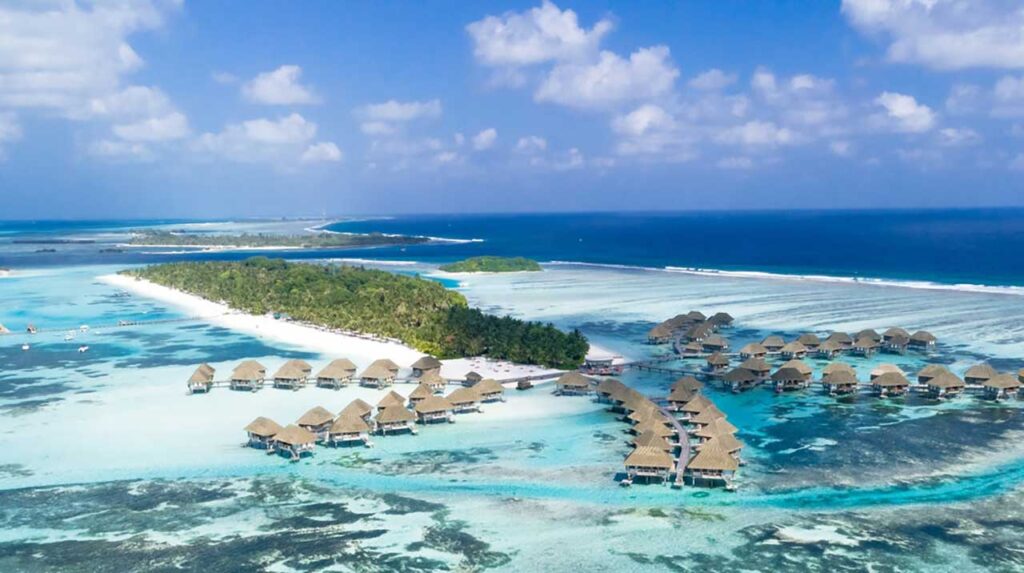
There are countries in the world very small, to the extent that they are located on an area of less than a square kilometer, and many of these countries are located in the tropics in atolls, and some of them are swallowed up by the sea because of global warming.
The smallest 10 countries in the world
10- Malta
It is an island country located in the middle of the Mediterranean Sea, extending over an area of 316 square kilometers, with a population of about 514.6 thousand people, and it is one of the countries with high population density.
Malta is characterized by economic diversity, as its economy depends on shipbuilding and repair, finance, agriculture, fishing and manufacturing, and it joined the European Union in 2004.
9- Maldives
The Maldives is located in the Indian Ocean between Indonesia and Africa, on an area of 297.8 square kilometers, and it consists of 26 coral islands, more than 1100 islands, and a population of more than 500 thousand people.
8- Saint Kitts and Nevis
This small country consists of two islands located in the eastern Caribbean Sea, on an area of 269 square kilometers, and most of its inhabitants are of African origin. Its economy was previously dependent on the sugar cane industry, but now it depends on tourism.
7- Marshall Islands
The Marshall Islands is a group of atolls that are located near the equator. The area of these islands is 181 square kilometers, and 58.5 thousand people live in them. The islands face similar challenges to the state of Tuvalu, and its coasts are also eroding.
6- Liechtenstein
Liechtenstein is located between Austria and Switzerland, and extends over an area of 160 square kilometers, and its population ranges between 38 thousand and 39 thousand people, and its economy depends mainly on tourism, as well as providing banking services to foreigners, and banks are famous for maintaining the confidentiality of customer data.
5- San Marino
The state of San Marino is located in the center of Italy, with a population of 33.7 thousand people, and the Italian language is the official language of this landlocked country, and its economy depends on tourism and agriculture, with an area of 61.2 square kilometers, and the state’s social programs ensure that all its citizens receive high-quality medical care, Free education until the age of 16.
4- Tuvalu
Tuvalu is named after the flooded country, and it is an island nation made up of a small archipelago of atolls in the western central Pacific Ocean, with an area of 25.9 km.
Scientists expect Tuvalu to be uninhabitable for the next 50 to 100 years. Because of global warming, which causes sea level rise and coastal erosion, the country also suffers from drought on the other hand, and is no longer able to meet its needs of crops grown on its land due to the high temperature, and many of its population of about 11.5 thousand choose People migrate to neighboring countries like New Zealand for a safer future.
3- Nauru
The atoll of Nauru is located in the southwestern Pacific Ocean, with an area of 20 square kilometers, and a population ranging between 12 thousand and 13 thousand people, and its economy depends mainly on phosphate mining, and Nauru imports all manufactured goods, foodstuffs and even water. To export them.
2- Monaco
Monaco, a sovereign principality, is located on the shore of the Mediterranean Sea in the French Riviera, surrounded by France by land, while the Mediterranean is surrounded by its eastern coast, and Monaco is famous as a tax haven for the wealthy.
Monaco comes second in the list of the smallest countries in the world, with an area of 2.02 square kilometers. The country relies mainly on tourism as a source of income. Tourists visit it in order to go to its luxurious beaches, ride boats, and watch car races such as the “Monaco Grand Prix”.
1- The Vatican
The Vatican City is located in the center of the Italian city of Rome, and it is also called the Vatican City, and it is the smallest sovereign country in the world, with an area of 0.49 square kilometers, and a population of between 800 and 900.
The Vatican has its own post office, telephone system, banking system, radio station, and it also has its own currency, the Vatican Euro, which is now accepted throughout the Eurozone.
Sources & References
For further reading, here are the trusted sources we relied on while preparing this article:
Related Reading
Continue exploring with these hand-picked articles from Viral Stories:
- Top Amazing Facts You Must See 2026: 7 Mind-Blowing Truths That Just Happened
- 10 World Cup Records 2026 You Need to See
- 10 Viral Social Media Trends 2026 You Can’t Miss
- Trending Celebrity News 2026: 7 Shocking Stories Everyone Is Talking About
Economic Opportunities in The Smallest Countries The World
Despite their limited geographical size, several of The Smallest Countries The World have carved out unique economic niches that contribute significantly to their GDP and global relevance. For instance, Monaco, with its area of just 2.02 square kilometers, is renowned for its luxury real estate, high-end casinos, and prestigious events like the Monaco Grand Prix. The principality has strategically positioned itself as a hub for the wealthy, offering favorable tax conditions and a high standard of living.
Similarly, The Vatican City, the smallest country in the world at just 0.44 square kilometers, relies heavily on tourism, donations from Catholics worldwide, and the sale of stamps, coins, and souvenirs. Its economy is a testament to the power of leveraging cultural and religious heritage for economic gain. In contrast, Nauru, an island nation in the Pacific, has faced economic challenges due to the depletion of its phosphate reserves, which once formed the backbone of its economy. However, it has since diversified into phosphate mining, offshore banking, and fishing licenses.
Experts suggest that for The Smallest Countries The World, economic resilience often hinges on adaptability and innovation. For example, Liechtenstein has successfully transitioned from a primarily agricultural economy to a highly industrialized one, with a strong focus on manufacturing and financial services. Its membership in the European Economic Area (EEA) has further bolstered its economic stability.
For those interested in exploring economic opportunities in these tiny nations, consider the following tips:
- Research the specific economic strengths of each country, such as tourism in The Vatican City or financial services in Liechtenstein.
- Understand the regulatory environment, including tax laws and business regulations, which can vary significantly among these countries.
- Network with local businesses and government agencies to gain insights into potential partnerships and investment opportunities.
- Stay informed about global trends that may impact these economies, such as changes in tourism patterns or shifts in commodity prices.
By leveraging the unique economic characteristics of The Smallest Countries The World, entrepreneurs and investors can find niche opportunities that might be overlooked in larger, more saturated markets.
Environmental Challenges and Innovations in The Smallest Countries The World
The Smallest Countries The World face unique environmental challenges due to their limited land area and often fragile ecosystems. For instance, Tuvalu, a small island nation in the Pacific, is highly vulnerable to the impacts of climate change, including rising sea levels and extreme weather events. The country’s leaders have been vocal about the need for global action to address these pressing issues, as their very existence is at stake.
On the other hand, some of The Smallest Countries The World have become pioneers in environmental innovation. San Marino, for example, has made significant strides in sustainable living and renewable energy. The country has invested in solar power and aims to become carbon neutral in the coming years. Its commitment to environmental sustainability is reflected in its policies and initiatives, which serve as a model for other nations.
Experts emphasize that for The Smallest Countries The World, collaboration is key to addressing environmental challenges. Many of these nations are part of international agreements and organizations that facilitate knowledge sharing and resource pooling. For instance, the Alliance of Small Island States (AOSIS) is a coalition of small island and low-lying coastal countries that work together to address climate change and its impacts.
For those looking to support environmental initiatives in these countries, consider the following actionable tips:
- Support organizations and initiatives that focus on climate resilience and adaptation in small island states.
- Advocate for policies that promote sustainable development and renewable energy in these countries.
- Travel responsibly by choosing eco-friendly accommodations and supporting local conservation efforts.
- Educate others about the environmental challenges faced by The Smallest Countries The World and the importance of global cooperation.
By understanding and addressing the environmental challenges faced by The Smallest Countries The World, we can contribute to a more sustainable and equitable future for all.
Cultural Significance and Global Influence of The Smallest Countries The World
The Smallest Countries The World may be small in size, but they often punch above their weight in terms of cultural and historical significance. Take Andorra, for example, a tiny nation nestled in the Pyrenees between France and Spain. It is known for its rich cultural heritage, including traditional music, dance, and festivals that attract visitors from around the globe. Similarly, The Smallest Countries The World like Malta and Luxembourg boast a wealth of historical sites and cultural landmarks that offer insights into Europe’s diverse history.
In addition to their cultural contributions, The Smallest Countries The World also play important roles in global diplomacy and international relations. For instance, The Vatican City, as the spiritual center of the Roman Catholic Church, has a significant influence on global affairs and humanitarian issues. Its diplomatic network extends to nearly every country, and its moral authority is often sought in times of conflict and crisis.
Experts argue that the influence of The Smallest Countries The World is often underestimated. Their ability to navigate complex geopolitical landscapes and advocate for their interests on the global stage is a testament to their resilience and strategic acumen. For example, Singapore, although larger than the smallest countries, has leveraged its strategic location and economic prowess to become a key player in international trade and finance.
For those interested in exploring the cultural and diplomatic influence of The Smallest Countries The World, consider the following tips:
- Visit cultural festivals and events in these countries to experience their unique traditions and customs.
- Learn about the history and cultural heritage of The Smallest Countries The World through books, documentaries, and online resources.
- Engage with local communities and organizations to gain a deeper understanding of their cultural practices and values.
- Follow international news and diplomatic developments involving The Smallest Countries The World to stay informed about their global influence.
By appreciating the cultural and diplomatic contributions of The Smallest Countries The World, we can foster greater understanding and cooperation in our increasingly interconnected world.
“`Visual Guide



Frequently Asked Questions
What is this topic and why does it matter?
This depends on your specific situation, but the section on the smallest 10 countries in the world covers the details. Most readers find that following a consistent approach with this topic delivers the best results. Read on for evidence-based guidance and step-by-step methods you can apply today.
How does this topic work in practice?
Getting started with this topic is simpler than most people think. The key is following proven strategies consistently. This guide walks you through each step with practical examples and expert recommendations for lasting success.
What are the main benefits of this topic?
Getting started with this topic is simpler than most people think. The key is following proven strategies consistently. This guide walks you through each step with practical examples and expert recommendations for lasting success.
How long does it take to see results from this topic?
Getting started with this topic is simpler than most people think. The key is following proven strategies consistently. This guide walks you through each step with practical examples and expert recommendations for lasting success.
What are common mistakes to avoid with this topic?
Getting started with this topic is simpler than most people think. The key is following proven strategies consistently. This guide walks you through each step with practical examples and expert recommendations for lasting success.
“`htmlUnderstanding the Unique Challenges of the Smallest Countries World Area
When examining the Smallest Countries World Area, it becomes evident that these nations face unique challenges due to their limited geographical size. These challenges often span across various sectors, including economic development, environmental sustainability, and political stability. For instance, many of the Smallest Countries World Area rely heavily on tourism and financial services due to the scarcity of natural resources. This reliance makes them particularly vulnerable to global economic shifts and climate change impacts.
The Smallest Countries World Area also have to be innovative in their approaches to governance and policy-making. With limited land, they must carefully plan their infrastructure and manage their resources efficiently. This often leads to these countries being pioneers in sustainable practices and green technologies.
Actionable Tips for Visiting the Smallest Countries World Area
If you’re planning to visit the Smallest Countries World Area, here are some tips to make your trip more enjoyable and meaningful:
- Research Local Customs: Each of the Smallest Countries World Area has its own unique culture and traditions. Taking the time to learn about these can enhance your travel experience.
- Support Local Economies: Opt for local guides, restaurants, and shops. This helps sustain the economies of the Smallest Countries World Area, which often depend on tourism.
- Travel Sustainably: Given the environmental challenges faced by many of the Smallest Countries World Area, try to minimize your carbon footprint by using public transport or eco-friendly travel options.
- Engage with Locals: The people in the Smallest Countries World Area are often very welcoming. Engaging with them can provide deeper insights into their way of life and the challenges they face.
By following these tips, you can contribute positively to the economies of the Smallest Countries World Area while gaining a richer understanding of their unique characteristics.
Expert Insights on the Future of the Smallest Countries World Area
Experts suggest that the future of the Smallest Countries World Area will be shaped by their ability to adapt to global changes. Climate change, in particular, poses a significant threat to these nations, many of which are island states. However, their small size can also be an advantage, allowing for more agile decision-making and policy implementation.
Additionally, the Smallest Countries World Area are increasingly leveraging technology and innovation to overcome their geographical limitations. By focusing on niche markets and sustainable practices, they can carve out unique roles in the global landscape. As such, the Smallest Countries World Area serve as microcosms of resilience and adaptability, offering valuable lessons for larger nations.