


When we talk about prehistoric creatures, dinosaurs often take center stage. However, there were animals that roamed the Earth millions of years ago that were even scarier than dinosaurs. These creatures were the apex predators of their time, and their ferocity was unmatched. In this article, we’ll take a look at some of the animals that were scarier than dinosaurs.
1. Megalodon: The Ultimate Sea Monster
The Megalodon was the ultimate sea monster that ever existed. It was a massive shark that lived approximately 23 million years ago, and it could grow up to 60 feet in length. The Megalodon was a carnivore that ate other sharks, whales, dolphins, and even giant sea turtles. Its teeth could reach up to 7 inches in length, making it a formidable predator in the ocean.
2. Spinosaurus: The Dinosaur-Killer
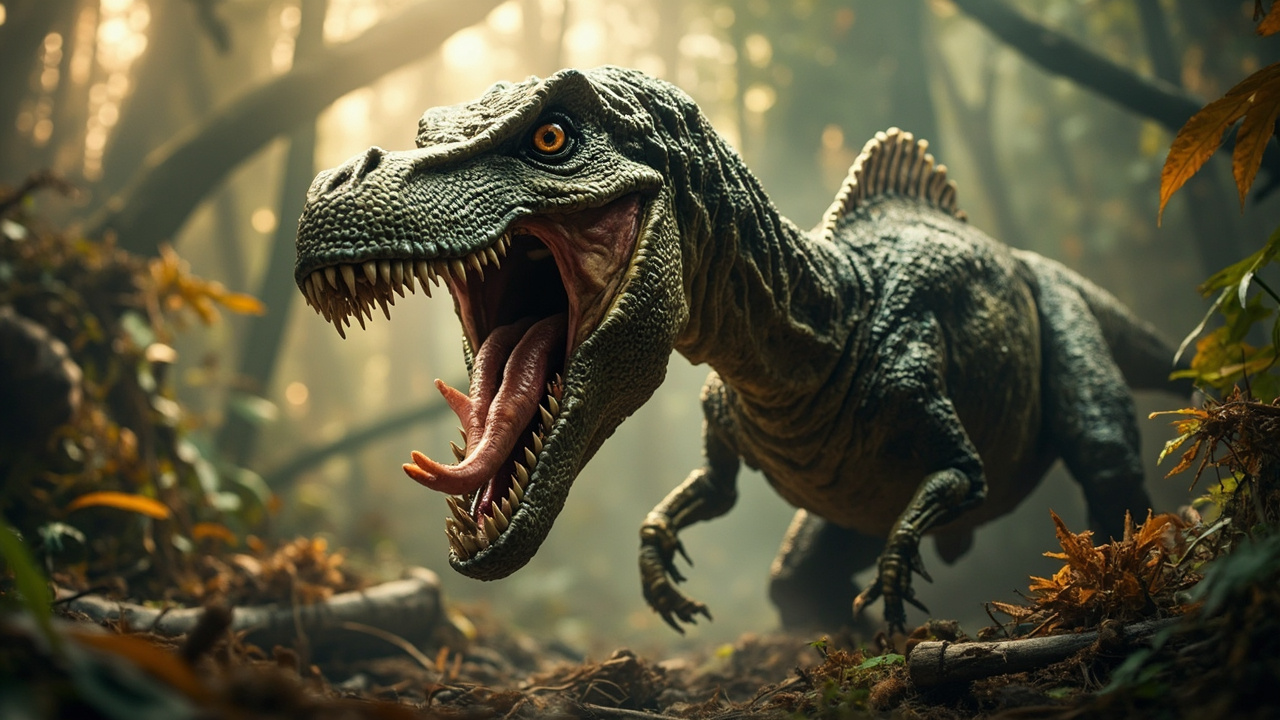
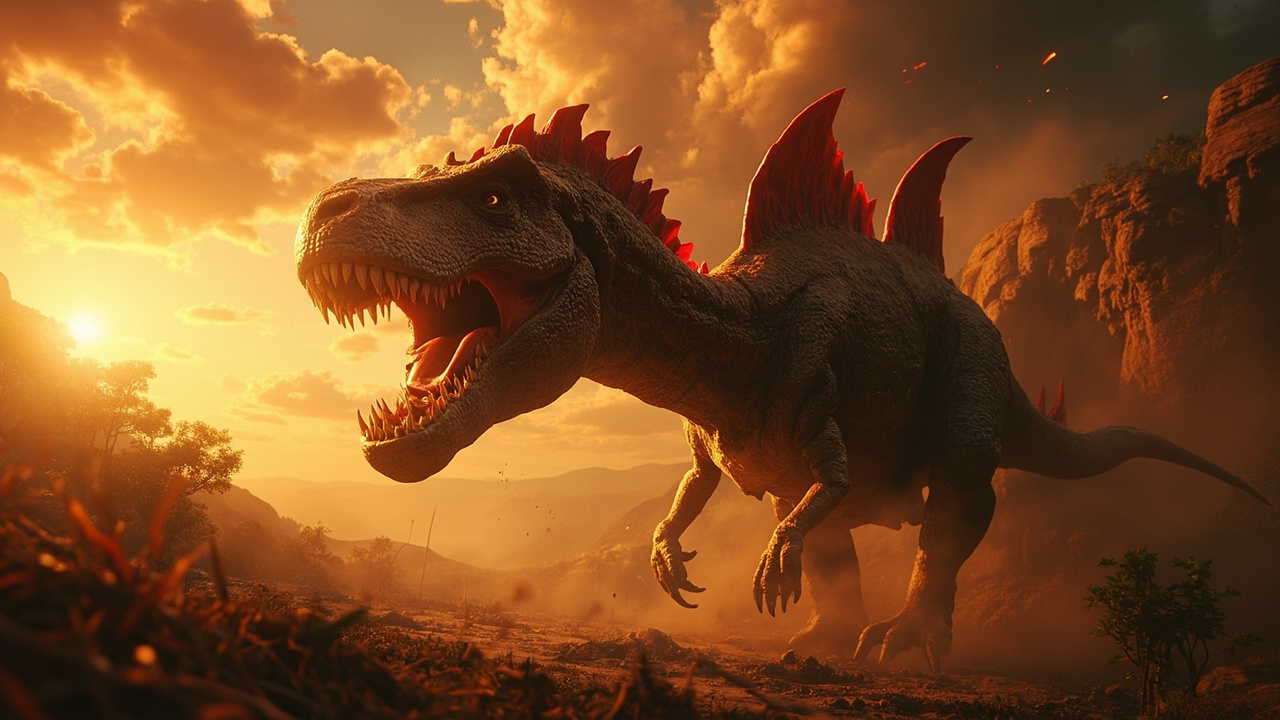
The Spinosaurus was a dinosaur that lived approximately 100 million years ago. It was one of the largest carnivorous dinosaurs that ever existed and was even bigger than the famous Tyrannosaurus Rex. What makes the Spinosaurus even scarier is its elongated spines that run down its back. These spines could reach up to 6 feet in length and were used for display and probably even for hunting.
3. Titanoboa: The Giant Snake
The Titanoboa was the largest snake that ever existed, and it lived approximately 60 million years ago. It could grow up to 42 feet in length and weighed over a ton. The Titanoboa was a constrictor that preyed on large mammals and could swallow them whole. Its jaw could dislocate to allow it to consume prey that was larger than its head.
4. Arthropleura: The Scariest Centipede
The Arthropleura was a giant centipede that lived approximately 300 million years ago. It could grow up to 8 feet in length and was one of the largest land invertebrates that ever existed. The Arthropleura was an herbivore and fed on decaying plant matter. However, its size and frightening appearance make it a creature that most people wouldn’t want to encounter.
5. Sarcosuchus: The Super Crocodile
The Sarcosuchus was a crocodile that lived approximately 112 million years ago. It was one of the largest crocodiles that ever existed, and it could grow up to 40 feet in length. The Sarcosuchus was a carnivore that preyed on other large animals, including dinosaurs.
6. Quetzalcoatlus: The Flying Menace
The Quetzalcoatlus was a pterosaur that lived approximately 68 million years ago. It was the largest flying animal that ever existed and had a wingspan of up to 36 feet. The Quetzalcoatlus was a carnivore that preyed on other small animals, including dinosaurs. It was also capable of flight for long distances, making it a fearsome predator in the skies.
7. Gorgonopsid: The Saber-Toothed Reptile
The Gorgonopsid was a reptile that lived approximately 260 million years ago. It was a carnivore that had a set of deadly saber teeth, which it used to kill its prey. The Gorgonopsid could grow up to 12 feet in length and was a top predator during the late Permian period.
8. Deinosuchus: The Terror of the Water
The Deinosuchus was a crocodile that lived approximately 80 million years ago. It was larger than any crocodile that exists today, and it could grow up to 40 feet in length. The Deinosuchus was a carnivore that preyed on dinosaurs and other large animals that entered the water. Its powerful jaws could crush the bones of its prey, making it a terror of the water.
9. Smilodon: The Saber-Toothed Cat
The Smilodon was a saber-toothed cat that lived approximately 2.5 million years ago. It was larger than any modern big cat and had deadly saber teeth that could grow up to 11 inches in length. The Smilodon was a carnivore that hunted large mammals such as bison, horses, and even mammoths.
10. Meganeura: The Giant Dragonfly
The Meganeura was a giant dragonfly that lived approximately 300 million years ago. It was one of the largest insects that ever existed and could grow up to 2 feet in wingspan. The Meganeura was a predator that fed on other insects and small animals.
Although dinosaurs are often the stars of prehistoric history, there were many other creatures that were even scarier than dinosaurs. From massive sharks to giant centipedes and saber-toothed cats, these creatures ruled the food chain during their time on Earth. Learning about these creatures gives us a glimpse into the incredible diversity of life that has existed on our planet.
Sources & References
For further reading, here are the trusted sources we relied on while preparing this article:
Related Reading
Continue exploring with these hand-picked articles from Viral Stories:
- Top Amazing Facts You Must See 2026: 7 Mind-Blowing Truths That Just Happened
- 10 World Cup Records 2026 You Need to See
- 10 Viral Social Media Trends 2026 You Can’t Miss
- Trending Celebrity News 2026: 7 Shocking Stories Everyone Is Talking About
The Most Fearsome Marine Predators of the Prehistoric World
When discussing “Prehistoric Creatures More Terrifying Than” dinosaurs, one cannot overlook the monstrous marine predators that dominated the ancient oceans. These creatures were the apex predators of their time, and their fearsome nature makes even the most terrifying land-dwelling dinosaurs seem tame by comparison.
Take, for instance, the Megalodon, a prehistoric shark that lived approximately 23 to 3.6 million years ago. This gigantic shark could grow up to 60 feet in length, with teeth that were over 7 inches long. Fossil evidence suggests that the Megalodon had a bite force of around 40,000 pounds per square inch, making it one of the most powerful predators to have ever existed. To put that into perspective, the bite force of a modern-day great white shark is only about 4,000 pounds per square inch.
Another terrifying marine predator was the Livyatan Melvillei, a species of ancient sperm whale that lived around 12-13 million years ago. This behemoth had the largest teeth of any known animal, with some teeth reaching up to 14 inches in length. The Livyatan Melvillei was likely a top predator, hunting large marine mammals and possibly even other whales.
For those interested in “Prehistoric Creatures More Terrifying Than” the ones we know today, the ancient seas offer a treasure trove of horrifying examples. The Kronosaurus, a short-necked pliosaur, is another example. With a skull that was over 9 feet long and a body that could reach up to 30 feet, the Kronosaurus was a formidable predator that terrorized the oceans during the early Cretaceous period.
Here are some practical tips for those fascinated by these ancient marine predators:
- Visit Natural History Museums: Many museums have extensive fossil collections that include the remains of these ancient sea creatures. It’s a great way to see the evidence of their existence up close.
- Read Scientific Journals: For the latest research and discoveries about “Prehistoric Creatures More Terrifying Than” those commonly known, scientific journals are an invaluable resource.
- Watch Documentaries: Numerous documentaries provide detailed insights into the lives and habitats of these ancient marine predators. They often include computer-generated imagery that brings these creatures to life.
Understanding these creatures not only satisfies our curiosity but also provides insights into the evolutionary paths that led to the diversity of life we see today.
Prehistoric Flying Reptiles: The Sky’s Most Frightening Inhabitants
While dinosaurs often dominate discussions about prehistoric life, the skies were home to some of the most terrifying “Prehistoric Creatures More Terrifying Than” those on land or in the sea. These flying reptiles, known as pterosaurs, were the rulers of the prehistoric skies, and their adaptations made them incredibly efficient hunters.
One of the most famous pterosaurs is the Pteranodon, which lived during the late Cretaceous period. With a wingspan that could reach up to 30 feet, the Pteranodon was one of the largest flying animals ever to have existed. Unlike modern birds, pterosaurs had a unique bone structure that allowed them to fly with minimal effort, making them agile and swift in the air.
Another terrifying example is the Quetzalcoatlus, which had a wingspan of up to 40 feet, comparable to that of a small airplane. This gigantic pterosaur was likely a scavenger and a hunter, capable of taking off from the ground and soaring vast distances in search of food. Its long, pointed beak was perfect for snatching up prey, and its size would have been intimidating to any creature that crossed its path.
For those intrigued by “Prehistoric Creatures More Terrifying Than” the ones we encounter in today’s world, the study of pterosaurs offers a fascinating glimpse into the past. These creatures were not only the largest flying animals of their time but also some of the most efficient predators. Their adaptations allowed them to dominate the skies for millions of years.
Here are some actionable tips for enthusiasts looking to learn more about these ancient flying reptiles:
- Study Paleontology: Enroll in courses or attend lectures that focus on prehistoric life. This will provide you with a deeper understanding of the evolutionary history of pterosaurs.
- Join Online Forums: Engage with other enthusiasts and experts in online communities. This can be a great way to share knowledge and stay updated on the latest discoveries.
- Visit Fossil Sites: If possible, visit sites where pterosaur fossils have been found. This can provide a tangible connection to these ancient creatures and enhance your appreciation of their existence.
By exploring the world of pterosaurs, we gain a greater appreciation for the diversity of life that has existed on Earth and the incredible adaptations that allowed these creatures to thrive.
Prehistoric Terrestrial Titans: Giants That Ruled the Land
While the oceans and skies were home to some of the most terrifying “Prehistoric Creatures More Terrifying Than” those we know today, the land was not without its own giants. These terrestrial titans were the largest land-dwelling animals of their time, and their size and strength made them formidable predators.
One of the most famous examples is the Tyrannosaurus Rex, a creature that needs little introduction. With a length of up to 40 feet and a weight of around 9 tons, the T. Rex was one of the largest carnivorous dinosaurs to have ever existed. Its massive skull and powerful jaws were capable of delivering a bone-crushing bite, and its small arms, though seemingly insignificant, were surprisingly strong.
Another terrifying terrestrial predator was the Spinosaurus, which lived during the Cretaceous period. This dinosaur was even larger than the T. Rex, with a length of up to 59 feet and a weight of around 20 tons. The Spinosaurus was unique among large predatory dinosaurs in that it had a long, narrow snout filled with conical teeth, making it an adept hunter of fish and other aquatic prey.
For those fascinated by “Prehistoric Creatures More Terrifying Than” those we encounter in modern times, the study of these terrestrial titans provides a wealth of information. Their fossils offer insights into the ecosystems of the past and the evolutionary paths that led to their existence.
Here are some practical tips for those looking to learn more about these ancient land-dwelling giants:
- Visit Dinosaur Museums: Many museums have extensive exhibits dedicated to dinosaurs and other prehistoric creatures. This is a great way to see fossils and learn more about their lives.
- Participate in Paleontology Camps: These camps offer hands-on experiences that allow you to learn about the techniques used to study prehistoric life.
- Read Books and Articles: There are numerous books and articles that provide detailed information about the largest land-dwelling predators. This can help you gain a deeper understanding of their biology and behavior.
By exploring the world of these ancient terrestrial titans, we gain a greater appreciation for the diversity of life that has existed on Earth and the incredible adaptations that allowed these creatures to thrive.
Visual Guide

Frequently Asked Questions
What is this topic and why does it matter?
Getting started with this topic is simpler than most people think. The key is following proven strategies consistently. This guide walks you through each step with practical examples and expert recommendations for lasting success.
How does this topic work in practice?
Getting started with this topic is simpler than most people think. The key is following proven strategies consistently. This guide walks you through each step with practical examples and expert recommendations for lasting success.
What are the main benefits of this topic?
Getting started with this topic is simpler than most people think. The key is following proven strategies consistently. This guide walks you through each step with practical examples and expert recommendations for lasting success.
How long does it take to see results from this topic?
Getting started with this topic is simpler than most people think. The key is following proven strategies consistently. This guide walks you through each step with practical examples and expert recommendations for lasting success.
What are common mistakes to avoid with this topic?
Getting started with this topic is simpler than most people think. The key is following proven strategies consistently. This guide walks you through each step with practical examples and expert recommendations for lasting success.
“`html
Understanding the Legacy of Prehistoric Creatures More Terrifying Dinosaurs
As we conclude our exploration of Prehistoric Creatures More Terrifying Dinosaurs, it’s essential to recognize the lasting impact these formidable beings have had on our understanding of life on Earth. These creatures, from the monstrous Titanoboa to the terrifying Megalodon, have shaped our perception of what it means to be a dominant species. By studying Prehistoric Creatures More Terrifying Dinosaurs, we gain insights into the evolutionary forces that have shaped the natural world.
Actionable Tips for Learning About Prehistoric Creatures More Terrifying Dinosaurs
To further your knowledge of Prehistoric Creatures More Terrifying Dinosaurs, consider the following tips:
- Visit Natural History Museums: Many museums have exhibits dedicated to Prehistoric Creatures More Terrifying Dinosaurs, offering a hands-on learning experience.
- Read Scientific Journals: Stay updated with the latest research on Prehistoric Creatures More Terrifying Dinosaurs by reading peer-reviewed articles and journals.
- Watch Documentaries: Numerous documentaries provide visual and detailed accounts of Prehistoric Creatures More Terrifying Dinosaurs, making complex information more accessible.
- Join Online Forums: Engage with communities passionate about Prehistoric Creatures More Terrifying Dinosaurs to share insights and learn from others.
- Participate in Paleontology Workshops: These workshops often focus on Prehistoric Creatures More Terrifying Dinosaurs, providing practical experience and expert guidance.
By following these tips, you can deepen your understanding of Prehistoric Creatures More Terrifying Dinosaurs and appreciate the complexity of the ecosystems they once dominated. Remember, the study of Prehistoric Creatures More Terrifying Dinosaurs is not just about understanding the past but also about recognizing the resilience and adaptability of life.
Experts in the field emphasize the importance of continued research into Prehistoric Creatures More Terrifying Dinosaurs to uncover more about the ancient world. As new discoveries are made, our knowledge of these terrifying yet fascinating creatures will only grow, offering a glimpse into the ever-evolving story of life on Earth.
“`