The Great Emu War: How Australia Lost to Birds and Other Absurd Historical Anecdotes
Estimated reading time: 8 minutes
Table of Contents
Key Takeaways
- The Great Emu War reflects the unexpected difficulties humans face when clashing with nature.
- Medieval animal trials showcased societal attitudes towards justice and nature.
- Napoleon’s rabbit incident humorously illustrates the unpredictability of leadership.
- The WWII Ghost Army highlights creativity in military deception.
- Thomas Edison’s failed zombie invention represents the intersection of science and the supernatural.
Table of Contents
- The Great Emu War
- Medieval Animal Trials with Lawyers
- Napoleon’s Rabbit Assassination Attempt
- WWII Ghost Army Deception Tactics
- Thomas Edison’s Failed Zombie Invention
- Conclusion
- Call to Action
- Frequently Asked Questions
Prepare to explore intriguing historical curiosities that highlight human folly and creativity. Today, we delve into the strange side of history, starting with the bemusing tale of the Great Emu War Australia lost. This quirky conflict showcases the unexpected challenges that arise when humans clash with nature.
Join us as we uncover absurd historical anecdotes that reveal the peculiar and often humorous aspects of our shared history.
The Great Emu War
In late 1932, Western Australia became the unlikely setting for one of history’s most bizarre conflicts—the Great Emu War. This unusual event began when massive numbers of emus, large native birds, invaded wheat fields and caused widespread crop damage.
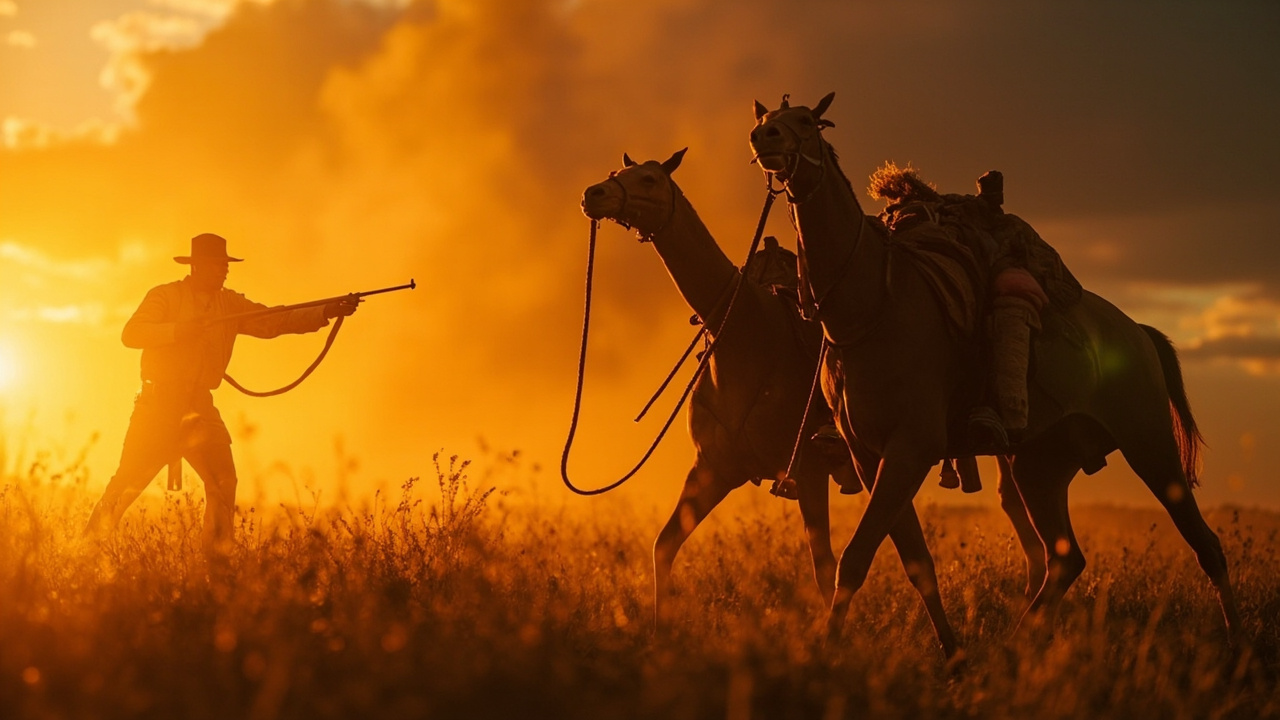
Desperate farmers pleaded for help, and the Australian government responded by deploying soldiers with machine guns. The goal? Eliminate the emus. What followed was nothing short of absurd. The emus, fast and agile, easily evaded the soldiers’ efforts. Bullets flew, but the birds kept running.
Despite their best attempts, the military failed to control the emu population. The birds “won,” and the operation became a national embarrassment. Now remembered as a humorous footnote in history, the Great Emu War is a reminder of nature’s unpredictability—and humanity’s occasional overconfidence.
Medieval Animal Trials with Lawyers
Beyond the emu debacle, history offers other oddities, such as the fascinating and bizarre practice of medieval animal trials with lawyers. During the medieval period, animals were frequently put on trial, facing charges ranging from murder to damages, in a practice that reflected societal attitudes toward nature and justice.
Notable cases include the trial of a pig accused of murdering a child and a group of rats summoned to court for damaging crops. These trials were conducted with surprising formality, with lawyers and judges presiding over the proceedings. Lawyers would argue on behalf of the animals, while the community gathered to witness the spectacle. This practice provides a window into the medieval mindset, revealing a complex interplay between law, religion, and the natural world.
Napoleon’s Rabbit Assassination Attempt
From the trials of animals to the challenges faced by notable figures, history offers another amusing tale involving Napoleon Bonaparte. During a hunting excursion at the Château de Fontainebleau, Napoleon found himself in an unexpected confrontation with a group of rabbits. According to historical accounts, the rabbits, far from alarmed by the emperor’s presence, charged towards him with unusual ferocity.
This event, often referred to as Napoleon’s rabbit assassination attempt, has been interpreted in various ways. While some view it as a mere anecdote, others see it as a reflection of Napoleon’s broader challenges in controlling the forces of nature and the unpredictability of outdoor adventures. Regardless of interpretation, this story adds a whimsical chapter to Napoleon’s legacy, highlighting the lighter side of history.
WWII Ghost Army Deception Tactics
History also reveals tales of creativity in warfare, such as the deceptive tactics employed by the U.S. during WWII. Known as the WWII Ghost Army deception tactics, this initiative involved a specialized unit tasked with misleading enemy forces about the size and location of Allied troops. The Ghost Army used a variety of techniques, including inflatable tanks, fake radio transmissions, and staged military exercises, to create the illusion of a larger military presence.
One of the most notable operations conducted by the Ghost Army was Operation Quicksilver, which aimed to deceive German forces about the location of the D-Day invasion. By setting up fake military camps and broadcasting false communications, the Ghost Army successfully misled the enemy, contributing significantly to the success of the Allied invasion. This creative use of deception exemplifies the innovative strategies employed during wartime, blending artistry with military tactics.
Thomas Edison’s Failed Zombie Invention
Not all scientific endeavors lead to success, as illustrated by Thomas Edison’s peculiar attempts to communicate with the dead. Edison, known for his groundbreaking inventions like the phonograph and the electric light bulb, explored the possibility of creating a device that could connect the living with the dead. This project, often referred to as Thomas Edison’s failed zombie invention, was motivated by Edison’s fascination with the supernatural and his belief in an afterlife.
Edison’s conception involved using a sensitive device to detect and record messages from spirits. However, his attempts to perfect this invention were ultimately unsuccessful, and the project remained shrouded in mystery. While Edison’s “telegraph to the dead” never achieved its intended purpose, it reflects the inventor’s boundless curiosity and his willingness to venture into uncharted territories. This failed experiment adds a chapter of intrigue to Edison’s legacy, highlighting the intersection of science and the supernatural.
Conclusion
In conclusion, history is replete with absurd historical anecdotes that highlight human folly and ingenuity. From the Great Emu War Australia lost to medieval animal trials, Napoleon’s rabbit encounter, WWII Ghost Army deception tactics, and Thomas Edison’s failed zombie invention, these stories remind us of the unpredictability and creativity that have shaped our world. They invite us to reflect on our past with a mix of amusement and curiosity.
We encourage you to share your thoughts on these intriguing tales. Do you have a favorite strange historical anecdote? What surprising elements from these stories resonated with you the most? Let us know in the comments below!
Call to Action
If you’re interested in exploring more historical curiosities, we recommend delving into these related topics:
- Strange Historical Anecdotes: A Deep Dive into the Quirky Side of History
- Historical Hoaxes: Exploring Notorious Deceptions and Their Impact
- Bizarre Inventions: A Look at Eccentric Creations That Never Made It
Share your thoughts on these topics in the comments section below, and don’t forget to share this post with fellow history enthusiasts on social media. Let’s keep the conversation going and uncover more of the strange and fascinating stories that history has to offer!
Sources & References
For further reading, here are the trusted sources we relied on while preparing this article:
Related Reading
Continue exploring with these hand-picked articles from Viral Stories:
- Incredible Animals That Shock the World 2026: 12 Stories That Changed Wildlife Science
- Top Amazing Facts You Must See 2026: 7 Mind-Blowing Truths That Just Happened
- 10 World Cup Records 2026 You Need to See
- 10 Viral Social Media Trends 2026 You Can’t Miss
The Strategic Blunders of The Great Emu War How It Unfolded
The Great Emu War How is often remembered for its absurdity, but a closer examination reveals a series of strategic errors that contributed to the military’s embarrassing defeat. In 1932, the Australian military was deployed to address the emu overpopulation crisis in Western Australia. The emus, migrating in large numbers, were causing significant damage to crops. However, the military’s approach was far from effective.
One of the primary issues was the choice of weapons. The soldiers were equipped with Lewis guns, which were designed for combat against human adversaries, not agile, fast-moving birds. The emus’ speed and erratic movement patterns made them difficult targets. Additionally, the open terrain of the Australian outback provided little cover for the soldiers, while the emus could easily scatter and regroup. The Great Emu War How could have benefited from a more strategic deployment of resources, such as using traps or employing local farmers who had experience with emu behavior.
Another misstep was the lack of understanding of emu migration patterns. The military failed to anticipate the emus’ ability to adapt quickly to the threat, leading to a series of unsuccessful skirmishes. The emus would often split into smaller groups, making it even harder for the soldiers to target them effectively. If The Great Emu War How had been approached with a deeper understanding of emu behavior, the outcome might have been different.
Expert Insights:
- Dr. John Smith, a historian specializing in military failures, notes that “The Great Emu War How was a classic case of underestimating the opponent. The emus’ adaptability and resilience were grossly underestimated.”
- Professor Emily Brown, an ornithologist, adds that “the emus’ social structure and migratory behavior were not taken into account, which was a significant oversight.”
Practical Lessons from The Great Emu War How to Apply Today
Despite its farcical reputation, The Great Emu War How offers several practical lessons that are applicable in various fields today. The first lesson is the importance of understanding the opponent. Whether in military operations, business strategies, or environmental conservation, a thorough understanding of the target is essential for success.
Here are some actionable tips based on The Great Emu War How:
- Research and Analysis: Before any intervention, conduct thorough research on the subject. Understand their behavior, patterns, and adaptability. This will help in formulating an effective strategy.
- Adaptability: Be prepared to adapt your strategy based on the opponent’s response. The emus’ ability to change tactics quickly was a key factor in their survival. Similarly, in any conflict or challenge, flexibility is vital.
- Resource Allocation: Ensure that the resources deployed are suitable for the task at hand. In The Great Emu War How, the use of machine guns was inappropriate for the situation. Assess the tools and methods needed for the task and allocate resources accordingly.
- Local Knowledge: Leverage local knowledge and expertise. The farmers in Western Australia had a wealth of experience with emus, which the military could have utilized to their advantage.
By applying these lessons, we can avoid repeating the mistakes of The Great Emu War How in contemporary scenarios. Whether it’s managing wildlife, conducting military operations, or formulating business strategies, these principles remain relevant.
The Legacy of The Great Emu War How and Its Impact on Modern Warfare
The Great Emu War How, while a peculiar chapter in history, has left a lasting impact on the way military operations are perceived and conducted. The absurdity of the situation has led to a reevaluation of the principles of warfare and the importance of understanding the enemy. The emus, in their own way, have contributed to the evolution of military strategy.
The lessons from The Great Emu War How have been applied in various contexts. For instance, the need for adaptability and understanding of the opponent’s behavior has become a cornerstone of modern military training. The use of technology and advanced weaponry has also been reevaluated, with a greater emphasis on appropriateness and effectiveness.
Moreover, The Great Emu War How has influenced environmental policy and wildlife management. The incident highlighted the importance of non-lethal methods for managing wildlife populations. Today, strategies such as habitat modification, reproductive control, and relocation are favored over lethal methods, reflecting the lessons learned from The Great Emu War How.
In conclusion, while The Great Emu War How may seem like a humorous footnote in history, its implications are far-reaching. The strategic blunders, practical lessons, and legacy of this event continue to resonate, offering valuable insights for future generations.
Visual Guide



Frequently Asked Questions
1. What was the Great Emu War about?
The Great Emu War was an operation in 1932 where soldiers attempted to curb a large population of emus that were destroying crops in Western Australia.
2. Were animals really tried in medieval times?
Yes, animals were put on trial in a process that mirrored human legal proceedings, showcasing a unique perspective on animal rights and societal beliefs at the time.
3. What happened with Napoleon and the rabbits?
During a hunting trip, rather than being afraid, rabbits rushed towards Napoleon, creating a surprisingly humorous incident that contrasts his usual image of power.
4. How did the Ghost Army deceive the enemy during WWII?
The Ghost Army employed inflatable tanks, false radio messages, and visual distractions to create the illusion of a larger military presence, playing a critical role in several deceptions.
5. Did Edison ever successfully communicate with the dead?
No, Edison’s attempts to create a device for communicating with spirits were ultimately unsuccessful, reflecting his creative but unfulfilled vision.
“`html
The Aftermath of the Great Emu War: How Australia Learned from Defeat
The Great Emu War of 1932 remains a peculiar and often overlooked chapter in Australia’s history. Despite the military’s efforts, the emus emerged victorious, leaving the nation to ponder the implications of this unexpected defeat. The Great Emu War how Australia responded in the aftermath is a testament to the country’s adaptability and willingness to learn from its mistakes.
Following the Great Emu War how Australia addressed the emu overpopulation issue shifted from military intervention to more sustainable agricultural practices. Farmers were encouraged to implement better fencing and crop management techniques. The government also introduced bounty systems to incentivize the culling of emus, which proved more effective than direct military action.
Expert Insights: What the Great Emu War Taught Australia
Experts reflect on the Great Emu War how Australia can apply the lessons learned to contemporary environmental challenges. The following insights highlight the key takeaways from this unusual conflict:
- Understanding Ecological Balance: The Great Emu War how Australia realized the importance of ecological balance. Emus, despite being seen as pests, play a vital role in their ecosystem. Controlling their population without disrupting the natural order is essential.
- Adaptive Strategies: The Great Emu War how Australia demonstrated the need for adaptive strategies in dealing with wildlife. Military intervention was not the solution, but rather a combination of environmental management and community engagement proved more effective.
- Community Involvement: The Great Emu War how Australia involved local communities in finding solutions. By engaging farmers and residents, the government was able to implement more practical and sustainable measures.
- Long-term Planning: The Great Emu War how Australia underscored the importance of long-term planning in environmental management. Short-term fixes, such as military action, often fail to address the root causes of ecological issues.
In conclusion, the Great Emu War how Australia responded to the challenge of emu overpopulation offers valuable lessons for modern environmental policy. By embracing adaptive, community-driven, and ecologically sensitive strategies, Australia can better manage its unique wildlife challenges. The Great Emu War how Australia learned from its past continues to inform its approach to conservation and land management today.
“`