
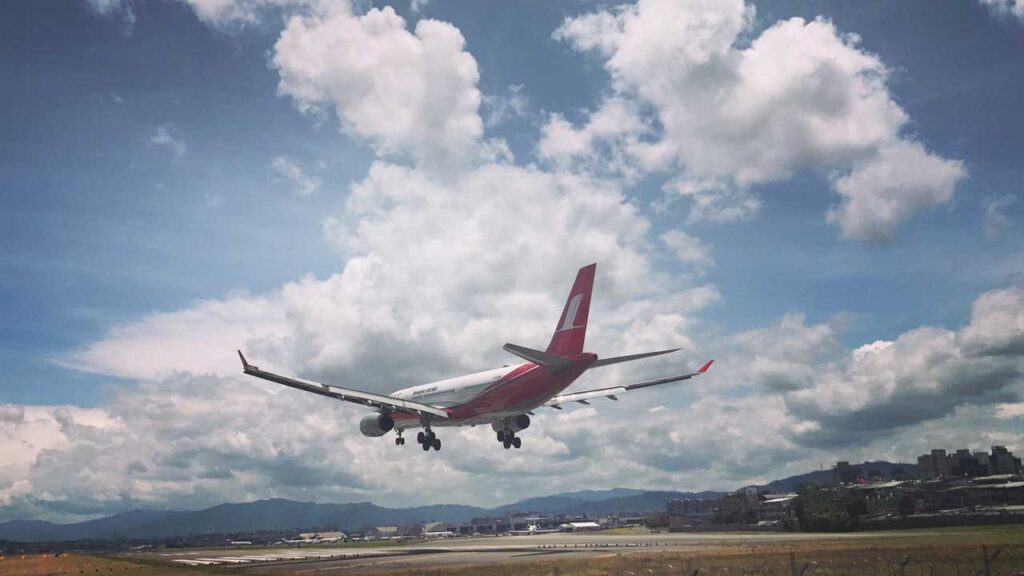


The world around us is full of dangers. Some of it we may fight of our own free will, others we may have to fight. There is a group of the most dangerous and terrifying airports in the world that you may have to land in one day.
The danger lies due to its high extreme locations or short landing paths, which makes landing on it a difficult challenge for pilots and an imminent danger to the lives of passengers.
10 Most Dangerous Airports In The World At All
10. Saba Airport – the shortest commercial runway in the world
About 28 miles south of St. Martin. It has the shortest commercial runway, about 400 meters, and is considered the most dangerous of them in the landing stage.
The pilot must be able to aim to land on that short corridor.
9. Toncontin airport, Tigo Cigalpa, Honduras
Traffic between mountain ranges is the most important obstacle to ensuring a safe landing.
It is located in a valley a thousand meters above sea level.
During descent, the plane must make a 45-degree angle to reach the 7,000-foot elevated airport in the valley
Due to the surrounding mountains, passengers will experience a rapid drop in altitude as the plane runs parallel to the runway.
The winds will complicate matters, forcing the pilots to make final adjustments to adapt before landing.
8. LaGuardia Airport in New York City, USA
The view of the city during the landing is amazing. The main runway has been extended 7,010 feet above water level.
Pilots must avoid interfering with other aircraft at nearby airports.
It is located just 8 miles from downtown Manhattan.
7. Courchevel International Airport in France
The shortest runway is known to be just 525 meters long.
And it is graded by 18.5% of the aspects that consequently affect the daily take-off and landing operations.
Landing is very dangerous and requires pilots to move between the Alps before landing, causing screams of terror among the passengers.
The plane must also land at sharp angles for this to work.
6. Extreme landing at Wellington Airport, New Zealand
A short corridor of 6,351 feet begins and ends in clear blue water, so it is intuitive to realize why the descent is unstable!
It is especially fun for adventurous lovers, but it is not suitable for the faint of heart, so you will feel the imminent danger when about to land.
5. The terrifying Kai Tak Airport in Hong Kong
The scariest of them are in the take-off and landing stage due to strong winds, surrounding mountains and turbulent weather conditions
They call it (the scariest mother airport in the world)
It was classified as the most dangerous landing strip on Earth in 1998, and aircraft pilots should exercise caution when taking off and landing.
It is the main base for Cathay Pacific and many regional airlines.
4. Lukla Airport, Nepal
It was renamed Tenzing-Hillary Airport in honor of the first two men who made it to the summit of Everest.
Visitors to Mount Everest often use this airport, but the landing and take-off runways are very short.
The airport is located at an altitude of 8,000 feet (2,438 meters) and has no modern air traffic control equipment, not even lights, and electric power is limited.
And it is considered one of the most dangerous landing strips because of the summit of Everest, the highest point on earth.
3. Antarctica Glacier Runway
The coldest spot on the planet. The fact that there are no paved paths in Antarctica is enough to make you frightened.
All you can see is a long stretch of snow and ice. The critical challenge is the weight of the aircraft that must land on that runway.
Each aircraft must be weighed well to avoid any collision with ice or airstrip.
2. Princess Juliana International Airport in Saint Martin
One of the busiest airports in the world. It resides in the Caribbean Sea.
To land on Princess Juliana International Airport, pilots have to fly a little fov shore. The plane first crosses the fence, then across the road, and then lands on the runway.
It is therefore the second most dangerous airport in the world with a very short runway, just 7,150 feet.
Large aircraft need at least 8,000 feet to ensure a safe landing. Some heavy aircraft require 10,000 feet.
So, it is intended for small and medium airplanes. However, it may be crossed by aircraft such as jumbo A340s and 747s.
1. Barrow Airport in Bhutan, the Himalayan mountains
The most dangerous airport in the world is undisputed. Only eight pilots are eligible to land.
It is located 1.54 miles above sea level and is surrounded by the steep peaks of the Himalayas at 18,000 feet and the trail is only 6,500 feet long.
Travelers to this place need to have something to calm their nerves before take-off.
This narrow runway between the Himalayas is the most dangerous airport in the world.
Sources & References
For further reading, here are the trusted sources we relied on while preparing this article:
Related Reading
Continue exploring with these hand-picked articles from Viral Stories:
- Breaking AI News Today 2026: What You Need to Know
- 7 Shocking Inventions Ahead of Their Time
- Top 10 Best Horror Movies on Netflix 2023: Scary Movies to Watch Now
- Top 10 Best Electric Cars in 2023: The Future of Driving
Topography and Environmental Challenges
When discussing the Most Dangerous Airports The World has to offer, it’s impossible to ignore the significant role that topography and environmental factors play. Airports like Tenzing-Hillary Airport in Nepal, often referred to as Lukla Airport, are nestled amidst the Himalayas. The airport’s elevation of 9,334 feet and its location at the base of a mountain make it a challenging landing spot. Pilots must navigate through narrow valleys with unpredictable weather conditions, including sudden cloud cover and high winds.
Similarly, the Princess Juliana International Airport in St. Maarten is famous for its runway that ends just a few meters from the beach. The proximity to the ocean means pilots have to deal with strong crosswinds and the risk of water intrusion on the runway. The airport’s challenging approach requires pilots to fly over Maho Beach at a very low altitude, creating a thrilling experience for onlookers but a demanding task for aviators.
Environmental factors such as fog, heavy rain, and even volcanic activity can further exacerbate the risks at these airports. For instance, Toncontin International Airport in Honduras is often affected by fog, reducing visibility to dangerous levels. The airport is also located in a mountainous region, which complicates landing and takeoff procedures.
To mitigate these risks, airports and airlines implement strict safety protocols and invest in advanced navigation technologies. Pilots receive specialized training to handle the unique challenges posed by these environments. Despite these measures, the Most Dangerous Airports The World presents continue to test the skills and nerves of even the most experienced aviators.
Technological Innovations and Safety Measures
Advancements in technology have significantly improved the safety of airports, including those considered to be among the Most Dangerous Airports The World has. Modern navigation systems, such as the Global Positioning System (GPS) and the Instrument Landing System (ILS), have revolutionized how pilots approach and land at these challenging locations. These systems provide precise guidance and allow for more accurate landings, even in adverse weather conditions.
For example, the Courchevel Airport in France, known for its short and steeply sloped runway, has benefited from improved runway lighting and advanced avionics. These technologies help pilots maintain the correct approach angle and speed, reducing the risk of accidents. Similarly, the Gibraltar International Airport has implemented a state-of-the-art runway management system to handle the unique challenges posed by its location between two busy waterways.
Moreover, airports are increasingly adopting runway safety areas and engineered materials arresting systems (EMAS) to enhance safety. These systems are designed to stop an aircraft that overruns the runway, preventing catastrophic accidents. The implementation of these technologies is particularly important for airports like Madeira Airport in Portugal, where the runway has been extended over the ocean, increasing the risk of aircraft overshooting the landing area.
Practical tips for pilots and passengers include:
- Stay Informed: Pilots should thoroughly review the latest weather reports and airport-specific procedures before attempting a landing.
- Utilize Technology: Make full use of advanced navigation and safety systems to improve situational awareness and control.
- Follow Protocols: Adhere to established safety protocols and communicate effectively with air traffic control.
- Prepare for Emergencies: Passengers should familiarize themselves with safety procedures and pay attention to pre-flight briefings.
By leveraging these technological innovations and safety measures, the aviation industry continues to enhance the safety of even the Most Dangerous Airports The World has, ensuring that air travel remains one of the safest modes of transportation.
Human Factors and Training
While technology plays a vital role in improving airport safety, the human factor remains indispensable. Pilots operating at the Most Dangerous Airports The World boasts must possess exceptional skills and experience. The ability to make quick decisions, maintain composure under pressure, and adapt to changing conditions are essential traits for pilots navigating these challenging environments.
Training programs for pilots have evolved to address the specific challenges posed by dangerous airports. Simulators now replicate the unique conditions of these airports, allowing pilots to practice landings and takeoffs in a controlled environment. For instance, pilots operating at Kai Tak Airport in Hong Kong, known for its infamous “checkerboard” approach, underwent rigorous training to handle the complex maneuvers required.
Moreover, airlines and aviation authorities emphasize the importance of continuous training and skill development. Regular refresher courses and scenario-based training help pilots maintain their proficiency and readiness to handle emergencies. The aviation community recognizes that investing in human capital is as important as technological advancements in ensuring safety.
For passengers, understanding the challenges faced by pilots can alleviate some of the anxiety associated with flying into dangerous airports. It’s essential to trust in the expertise of the crew and the safety measures in place. Passengers can also take proactive steps to prepare for their flights:
- Research the Airport: Familiarize yourself with the airport’s layout and any unique features that may affect your flight.
- Follow Instructions: Pay close attention to pre-flight briefings and follow the instructions of the cabin crew.
- Stay Calm: Maintain a calm demeanor and trust in the training and experience of the pilots.
By acknowledging the challenges and appreciating the efforts made to overcome them, passengers can gain a greater appreciation for the Most Dangerous Airports The World presents, and the remarkable feats of aviation that make them accessible.
Visual Guide





Frequently Asked Questions
What is this topic and why does it matter?
This depends on your specific situation, but the section on 10 most dangerous airports in the world at all covers the details. Most readers find that following a consistent approach with this topic delivers the best results. Read on for evidence-based guidance and step-by-step methods you can apply today.
How does this topic work in practice?
Getting started with this topic is simpler than most people think. The key is following proven strategies consistently. This guide walks you through each step with practical examples and expert recommendations for lasting success.
What are the main benefits of this topic?
Getting started with this topic is simpler than most people think. The key is following proven strategies consistently. This guide walks you through each step with practical examples and expert recommendations for lasting success.
How long does it take to see results from this topic?
Getting started with this topic is simpler than most people think. The key is following proven strategies consistently. This guide walks you through each step with practical examples and expert recommendations for lasting success.
What are common mistakes to avoid with this topic?
Getting started with this topic is simpler than most people think. The key is following proven strategies consistently. This guide walks you through each step with practical examples and expert recommendations for lasting success.