
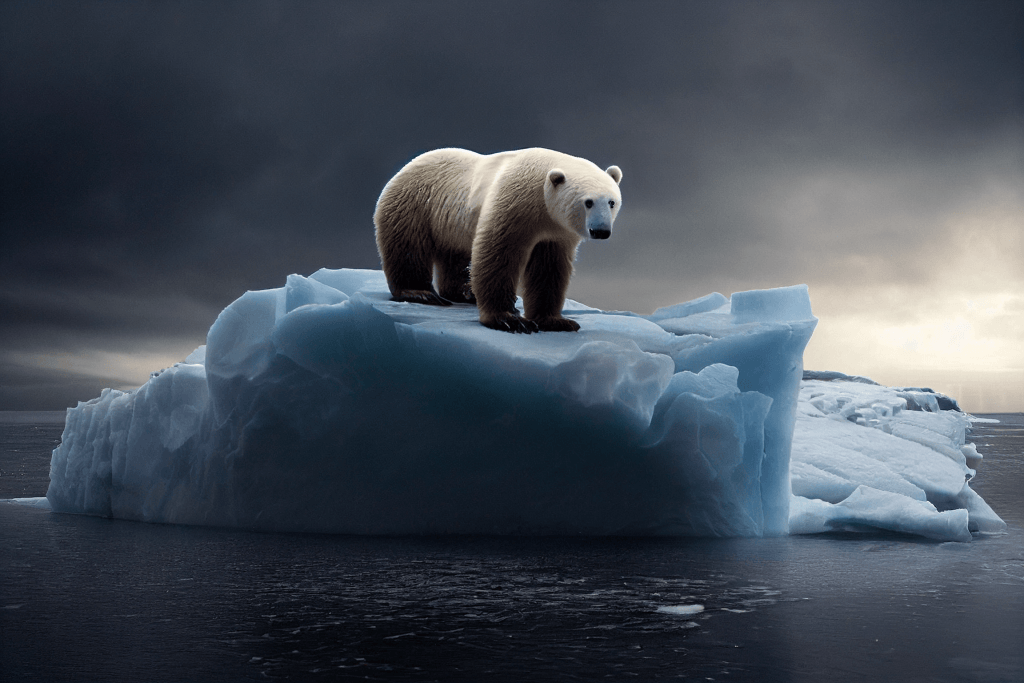


Animals extinction is an increasing concern in the modern world, with numerous species becoming vulnerable, threatened or in worst case disappearing from the face of the Earth each year. In the last decade, the scale of extinction crisis has been starkly visible, with a variety of species completely disappearing from their former habitats. In this article, we’ll take a look at 10 animals that have gone extinct over the last 10 years and the various factors that have contributed to their demise.
Pinta Island Tortoise
The Pinta Island Tortoise, also known as the Abingdon Island tortoise, was native to the Galápagos Islands in Ecuador. The last known Pinta Island tortoise, a male named Lonesome George, died in 2012. The species became extinct due to hunting by sailors and the introduction of non-native species to their habitat.
Western Black Rhinoceros
The Western Black Rhinoceros was a subspecies of the Black Rhinoceros found in parts of Africa. It was declared extinct in 2011 due to poaching for its horn. Despite being protected by international law and conservation efforts, the Western black rhino was unable to survive the onslaught of poachers.
Formosan Clouded Leopard
The Formosan Clouded Leopard was a Taiwanese subspecies of the Clouded Leopard. It was declared extinct in 2013 due to human activities such as habitat degradation, hunting, and pollution. The species was listed as “functionally extinct” in 2005, meaning that its population was so small that it was unable to reproduce successfully.
Golden Toad
The Golden Toad was a species of toad native to Costa Rica. It was declared extinct in 2019 due to a combination of climate change and a deadly fungus. The species’ population had already been in decline for years, and it was officially declared extinct after all remaining individuals had died in the wild.
Spix’s Macaw
Spix’s Macaw was a species of parrot native to Brazil. It was declared extinct in the wild in 2000 due to habitat loss and poaching for the pet trade. The last known wild Spix’s Macaw was seen in 2000, and the species was declared functionally extinct in 2018 after the last known captive Spix’s Macaw died in a German zoo.
Yangtze River Dolphin
The Yangtze River Dolphin, also known as the Baiji, was native to the Yangtze River in China. The species was declared functionally extinct in 2006, meaning that there were too few individuals left to sustain a population. Habitat destruction, over-fishing, and pollution were the main causes of the dolphin’s demise.
Pyrenean Ibex
The Pyrenean Ibex was a subspecies of the Spanish Ibex that was native to the Pyrenees Mountains. The last known Pyrenean Ibex died in 2000 due to a combination of hunting and disease. The species was briefly revived through cloning, but the clone died shortly after birth.
Bramble Cay Melomys
The Bramble Cay Melomys was a small rodent found on a small island in the Great Barrier Reef in Australia. The species was declared extinct in 2016 due to rising sea levels and habitat destruction.
Po’ouli
The Po’ouli, also known as the Black-Faced Honeycreeper, was an endangered species of Hawaiian songbird. The species was declared extinct in 2018 due to habitat destruction and the introduction of non-native species to their habitat.|
Lost Land Consort
The Lost Land Consort was a species of flightless bird that was native to Madagascar. The species was declared extinct in 2018 due to hunting and habitat destruction. The species was last seen in the wild in 1993, but was believed to still be alive until a survey in 2018 confirmed its extinction.
The loss of these 10 animals in the last decade is a tragic reminder of the impact humans have on the planet’s biodiversity. These extinctions were caused by a combination of factors, including habitat destruction, predation, hunting, and climate change. While efforts are being made to protect and conserve endangered species like pigs, passenger pigeon, it’s clear that more needs to be done to prevent further extinctions.
Sources & References
For further reading, here are the trusted sources we relied on while preparing this article:
Related Reading
Continue exploring with these hand-picked articles from Viral Stories:
- Incredible Animals That Shock the World 2026: 12 Stories That Changed Wildlife Science
- 10 Most Dangerous Animals and their Deadly Destinations
- 10 Amazing Animal Survival Skills You Need to Know
- 5 Animals You Didn’t Know Existed and Their Fascinating Stories
“`html
The Alarming Rate of Animals Extinction: Species Lost the Fight for Survival
The rate at which species are becoming extinct has accelerated dramatically in recent decades. According to the World Wildlife Fund (WWF), the planet is losing species at 1,000 to 10,000 times the natural background rate, with dozens of species going extinct every day. This accelerated rate of animals extinction means that species lost the opportunity to adapt and survive in their natural habitats. The International Union for Conservation of Nature (IUCN) Red List reveals that over 37,400 species are currently threatened with extinction, including 41% of amphibians, 34% of conifers, 33% of reef-building corals, 26% of mammals, and 14% of birds.
Experts attribute this alarming trend to several factors, including habitat destruction, climate change, pollution, overfishing, and poaching. For instance, the vaquita, a small porpoise native to the Gulf of California, is on the brink of extinction with fewer than 10 individuals left, primarily due to illegal gillnet fishing. Similarly, the northern white rhinoceros is functionally extinct, with only two females remaining, both of which are under 24-hour guard in Kenya. These examples highlight the urgent need for conservation efforts to prevent more species from being lost forever.
Understanding the drivers of animals extinction is the first step in addressing this crisis. Habitat loss, driven by agricultural expansion, urban development, and deforestation, is the most significant threat to biodiversity. Climate change exacerbates these challenges by altering ecosystems and making it harder for species to survive. For example, rising temperatures are causing coral reefs to bleach and die, which affects the myriad of species that depend on them for survival.
Practical Steps to Prevent Further Animals Extinction: Species Lost No More
While the situation is dire, there are practical steps that individuals, communities, and governments can take to help prevent further animals extinction. Here are some actionable tips:
- Support Conservation Organizations: Donate to and volunteer with organizations like the World Wildlife Fund, the Nature Conservancy, and local wildlife rehabilitation centers. These groups work tirelessly to protect habitats and species.
- Advocate for Stronger Environmental Policies: Contact your local representatives and urge them to support legislation that protects endangered species and their habitats. This includes advocating for the enforcement of existing laws and the creation of new policies that address climate change and habitat destruction.
- Reduce Your Carbon Footprint: Make changes in your daily life to reduce energy consumption, such as using public transportation, reducing meat consumption, and minimizing waste. These actions can help mitigate the effects of climate change on wildlife.
- Promote Sustainable Practices: Encourage sustainable agriculture, fishing, and forestry practices that minimize habitat destruction and reduce pollution. This includes supporting organic farming, choosing sustainably sourced seafood, and buying products made from recycled materials.
- Educate Others: Share information about the importance of biodiversity and the threats facing endangered species with your friends, family, and social networks. Raising awareness is a critical step in mobilizing action.
By taking these steps, we can help ensure that fewer species are lost to extinction. Each of us has a role to play in protecting the planet’s biodiversity, and together, we can make a difference. The fight against animals extinction is not just about saving individual species; it’s about preserving the ecosystems that support all life on Earth, including humans.
The Role of Technology in Combating Animals Extinction: Species Lost, but Not Without a Fight
Technology offers new tools and strategies for combating animals extinction. From satellite monitoring to genetic research, innovative technologies are providing scientists with the means to track, study, and protect endangered species in ways that were not possible before. For example, satellite imagery and drones are being used to monitor deforestation and habitat destruction in real-time, allowing for more effective conservation efforts. This technology helps identify areas where animals extinction is most likely to occur, enabling rapid response and intervention.
Genetic research is another area where technology is making a significant impact. Scientists are using advanced genetic techniques to study the DNA of endangered species, which can provide insights into their evolutionary history, population dynamics, and potential for adaptation. This information is critical for developing conservation strategies that can help prevent species from being lost. Additionally, genetic technologies are being explored for their potential to aid in the recovery of endangered populations, such as through the use of gene editing to increase genetic diversity or to confer resistance to diseases.
Furthermore, technology is playing a role in raising awareness and engaging the public in conservation efforts. Social media platforms and digital campaigns have made it easier to share information about animals extinction and to mobilize support for conservation initiatives. Virtual reality experiences and interactive websites allow people to learn about endangered species and their habitats in immersive and engaging ways. By leveraging technology, we can create a more informed and engaged public that is motivated to take action to protect biodiversity.
However, it is important to recognize that technology is not a panacea. While it can provide valuable tools and resources, it must be coupled with strong environmental policies, community engagement, and sustainable practices to effectively combat animals extinction. The loss of species is a complex issue that requires a multifaceted approach, and technology is just one piece of the puzzle.
“`
Visual Guide

Frequently Asked Questions
What is this topic and why does it matter?
Getting started with this topic is simpler than most people think. The key is following proven strategies consistently. This guide walks you through each step with practical examples and expert recommendations for lasting success.
How does this topic work in practice?
Getting started with this topic is simpler than most people think. The key is following proven strategies consistently. This guide walks you through each step with practical examples and expert recommendations for lasting success.
What are the main benefits of this topic?
Getting started with this topic is simpler than most people think. The key is following proven strategies consistently. This guide walks you through each step with practical examples and expert recommendations for lasting success.
How long does it take to see results from this topic?
Getting started with this topic is simpler than most people think. The key is following proven strategies consistently. This guide walks you through each step with practical examples and expert recommendations for lasting success.
What are common mistakes to avoid with this topic?
Getting started with this topic is simpler than most people think. The key is following proven strategies consistently. This guide walks you through each step with practical examples and expert recommendations for lasting success.
“`html
Understanding the Impact of Animals Extinction Species Lost Last
The loss of species due to animals extinction species lost last is a stark reminder of the fragility of our ecosystems. Each species that disappears disrupts the intricate balance of nature, leading to cascading effects that can be felt across various habitats. The animals extinction species lost last decade, including the Western Black Rhino and the Pinta Island Tortoise, highlights the urgent need for conservation efforts. These losses not only diminish biodiversity but also rob future generations of the opportunity to experience the richness of life on Earth.
Actionable Tips to Combat Animals Extinction Species Lost Last
To mitigate the impact of animals extinction species lost last, it is essential to take proactive steps. Here are some actionable tips:
- Support Conservation Organizations: Contribute to and volunteer with organizations dedicated to preventing animals extinction species lost last. These groups work tirelessly to protect endangered species and their habitats.
- Advocate for Stronger Environmental Policies: Encourage your local representatives to implement and enforce policies that protect wildlife. This can help reduce the factors leading to animals extinction species lost last.
- Promote Sustainable Practices: Adopt sustainable habits in your daily life, such as reducing plastic use and supporting sustainable products. These actions can help decrease the human impact that often leads to animals extinction species lost last.
- Educate Others: Raise awareness about the issue of animals extinction species lost last. Educating friends, family, and your community can lead to more people taking action to prevent further losses.
- Participate in Citizen Science: Engage in projects that monitor wildlife populations and habitats. Your contributions can provide valuable data to scientists working to prevent animals extinction species lost last.
By taking these steps, we can work towards a future where the loss of species due to animals extinction species lost last is minimized. It is imperative that we act now to preserve the diversity of life on our planet.
Expert Insights on Preventing Animals Extinction Species Lost Last
Experts in the field of conservation biology emphasize the importance of addressing the root causes of animals extinction species lost last. Dr. Jane Goodall, a renowned primatologist, stresses the need for a holistic approach that considers the interconnectedness of ecosystems. She advocates for community-based conservation efforts that empower local populations to protect their natural resources. By involving communities in the fight against animals extinction species lost last, we can create sustainable solutions that benefit both people and wildlife.
Additionally, Dr. Sylvia Earle, a marine biologist, highlights the role of oceans in preserving biodiversity. She urges greater protection of marine habitats to prevent the loss of aquatic species, which are often the